Address
304 North Cardinal
St. Dorchester Center, MA 02124
Work Hours
Monday to Friday: 7AM - 7PM
Weekend: 10AM - 5PM
Address
304 North Cardinal
St. Dorchester Center, MA 02124
Work Hours
Monday to Friday: 7AM - 7PM
Weekend: 10AM - 5PM

These are the antiques designers are buying up in 2026, from glass chandeliers and vintage rugs to embroidered textiles and brass objects, before prices climb even higher.
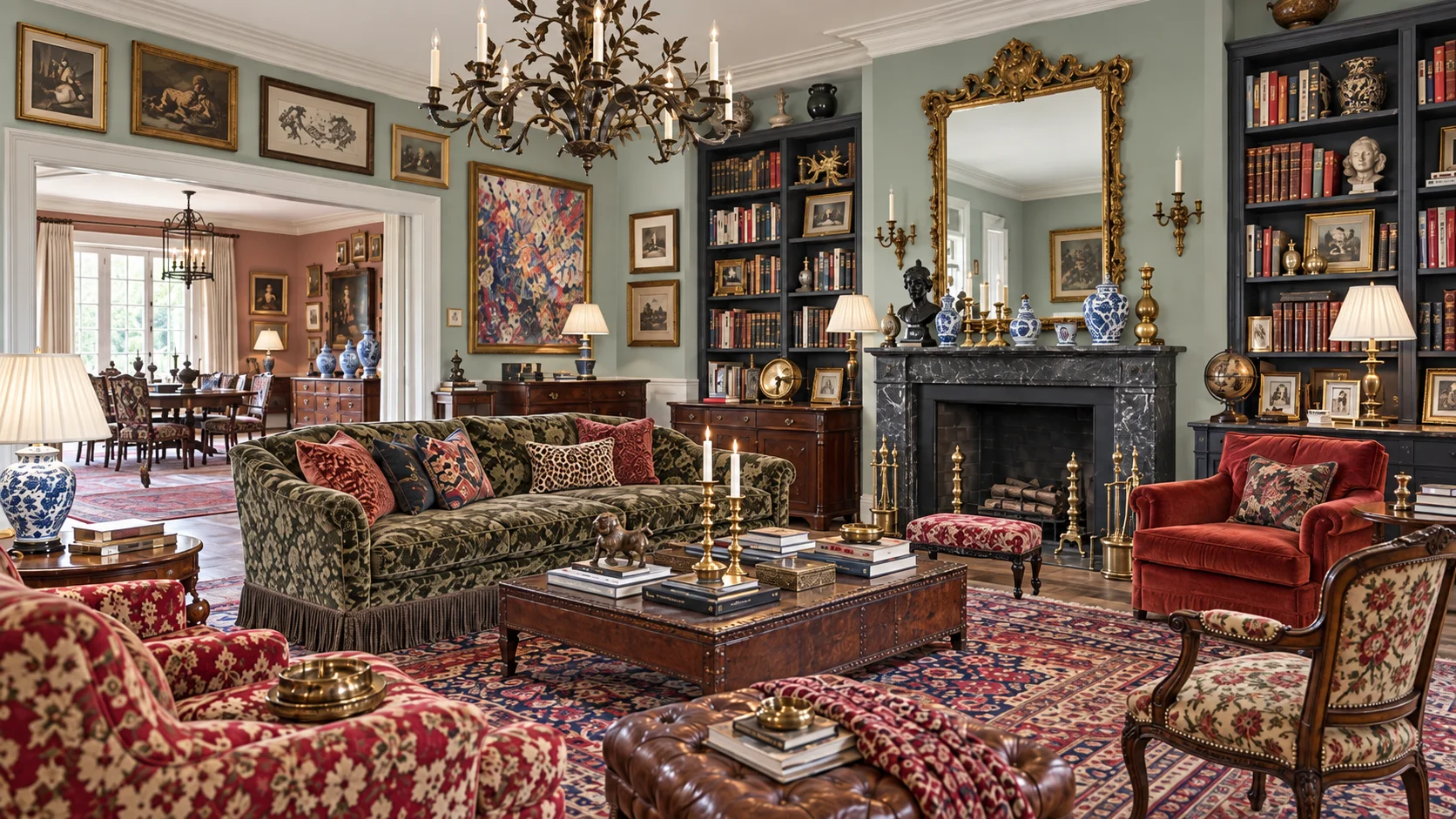
Antiques have quietly become one of the biggest stories in interior design right now, and the list of antiques designers are buying keeps growing. A single vintage find can give a room the kind of depth and character that no new furniture piece seems able to match, and designers have noticed. Recent industry surveys show that vintage and antique pieces now make up a bigger share of design projects than they have in years, with many designers sourcing more antiques made before the 1920s than ever before. Maximalism and eclectic, collected looks are also on the rise, which only adds to the demand for pieces with real history behind them.
That growing demand means prices on certain pieces are starting to creep up. The antiques designers are buying now are quickly becoming some of the most desirable vintage finds for collectors and home decorators. Here are the antique treasures worth hunting for at your local flea market, estate sale, or thrift shop before everyone else catches on.
The growing interest in antique home decor ideas, vintage furniture trends, and timeless interior design ideas reflects a shift toward homes that feel curated, personal, and full of history. The antiques designers are buying today are redefining modern interiors, with collectors seeking unique vintage furniture, collectible antiques for home decor, and designer vintage furniture that bring craftsmanship and character into living spaces. These antique pieces add personality to a room and create a collected-over-time look that mass-produced furniture cannot replicate.
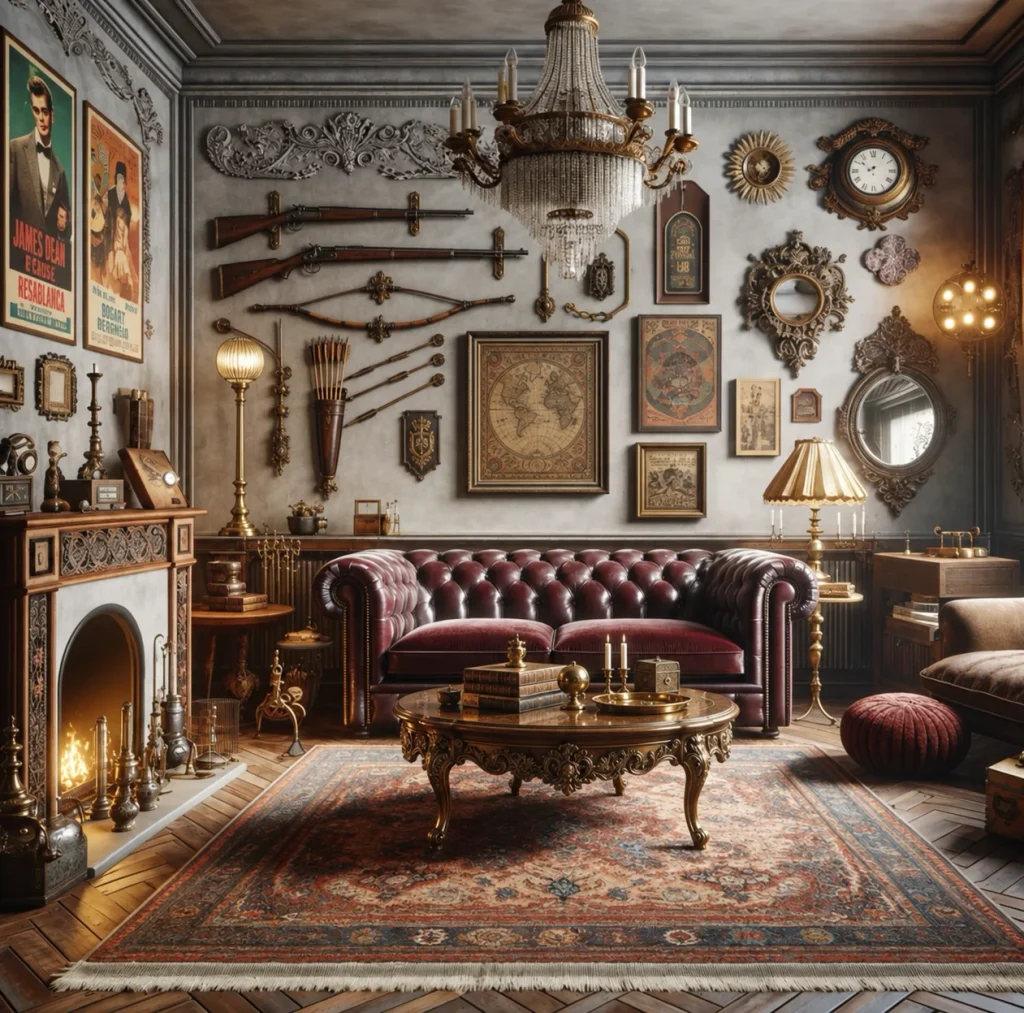
From antique mirrors for home decor and vintage Persian rugs to Murano glass decor, antique lighting, and heirloom furniture pieces, these investment pieces are becoming some of the most desirable elements in modern heritage interiors. Homeowners are also embracing styles such as old money home decor, European vintage interiors, grandmillennial decor, and eclectic interiors that celebrate craftsmanship, provenance, patina, and timeless design.
Before getting into each individual piece, it helps to understand the bigger picture. The antiques designers are buying right now tend to share a few things in common. They are well made, they carry some kind of history or craftsmanship, and they add character to a room without needing a full matching set around them. Whether it is a chandelier, a rug or a small brass tray, the antiques designers are buying this year are almost always pieces that work just as well in a modern home as they did in the one they came from.
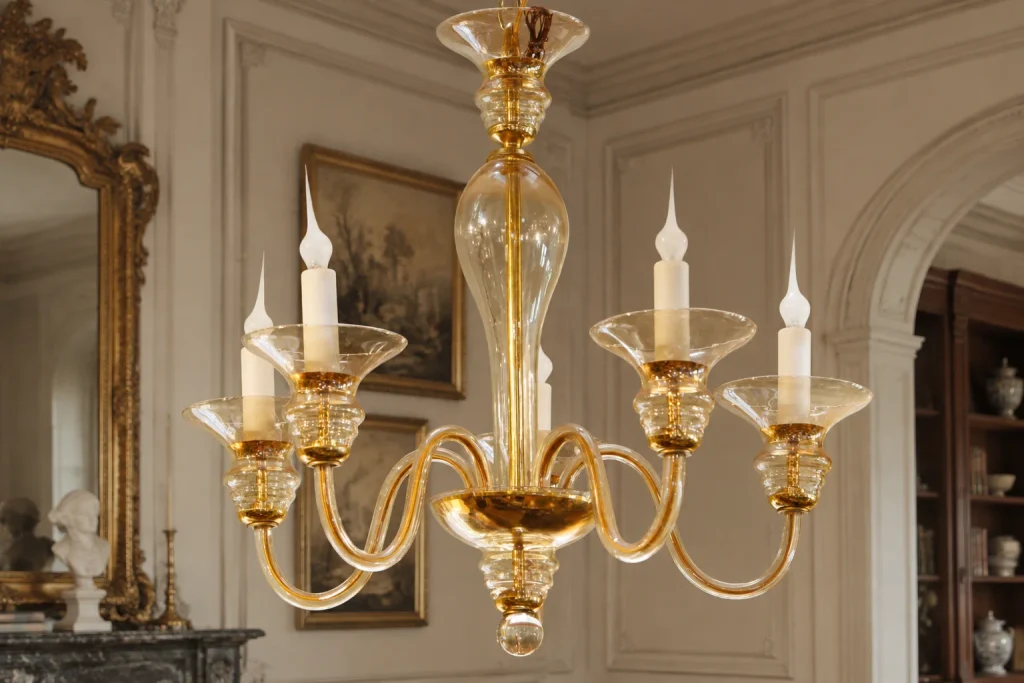
A well made chandelier never really goes out of style, but the ones made from hand blown glass are having a real moment. Pieces crafted by skilled glassmakers, especially those in the Murano tradition, bring a soft, glowing quality that mass produced fixtures simply cannot copy. What makes these chandeliers such a smart buy is how flexible they are, and it is easy to see why they top the list of antiques designers are buying this year.
Among the antiques designers are buying now, glass chandeliers remain a standout choice for adding elegance, craftsmanship, and character to a home. A vintage glass chandelier can sit comfortably in a traditional dining room just as easily as it can anchor a modern, minimal space. If you find one at an estate sale, flea market, or antique store, even a smaller version may be a valuable antique lighting piece worth considering.
Playful ceramic figurines are having a comeback, and it fits neatly into the wider return of cozy, nostalgic decorating often nicknamed grandmacore. Hand painted dogs, birds and small country scenes bring a bit of humor and warmth to a shelf or mantel, which is exactly what a lot of homeowners are craving after years of very serious, very neutral interiors.
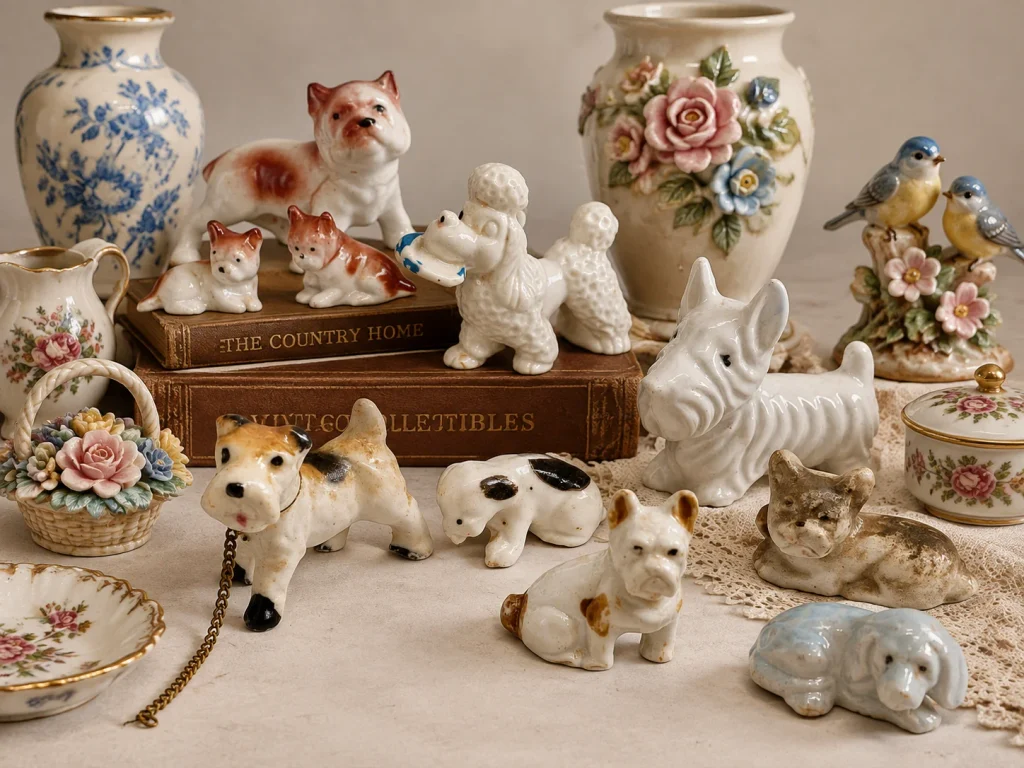
These figurines are also an easy way to start collecting, since they are usually small, affordable and simple to display. A cluster of two or three on a bookshelf can do more for a room’s personality than a single big purchase ever could.
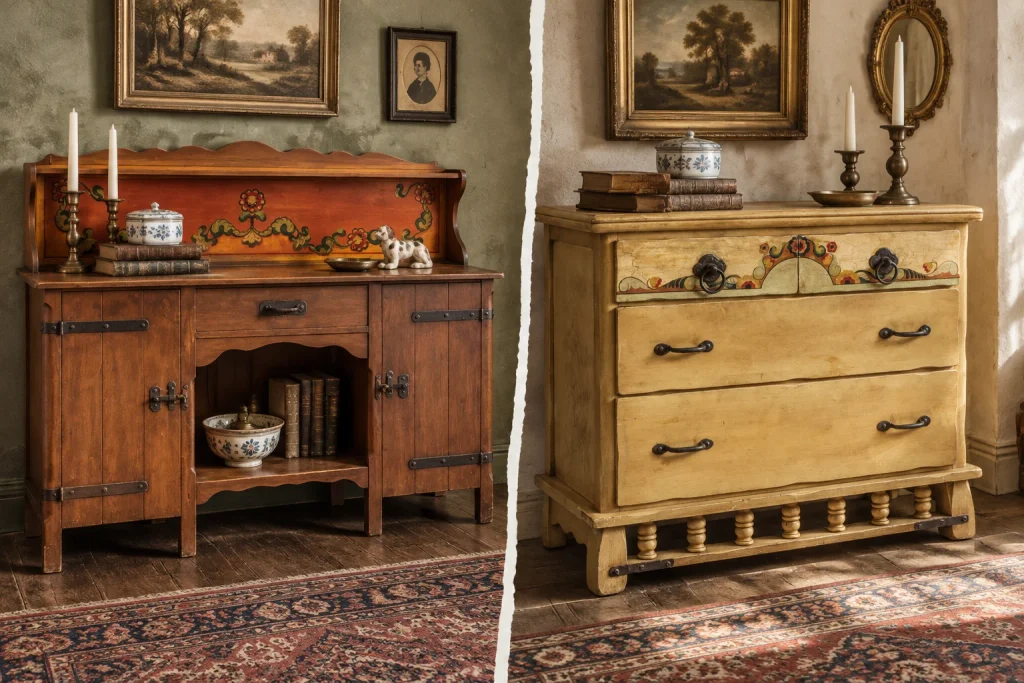
Made in California in the late 1920s and 1930s, Monterey furniture is known for its heavy, sturdy build and bold, saturated paint colors. It has a distinct Spanish Revival and Western feel that pairs surprisingly well with the current interest in warm, earthy interiors. What makes Monterey pieces so charming is the detail work, since many original pieces feature hand painted scenes, sometimes with a bit of humor built right into the design. Designers tend to agree that one or two Monterey pieces add character without overwhelming a room, so this is not a style that needs a full matching set to make an impact.
An ornate mirror is one of the fastest ways to add old world character to a wall. Gilded frames, carved wood details and aged metal finishes all develop a soft patina over time that a brand new mirror cannot fake. Beyond the way they look, antique mirrors are practical too, since they bounce light around a room and can make a small space feel noticeably larger.
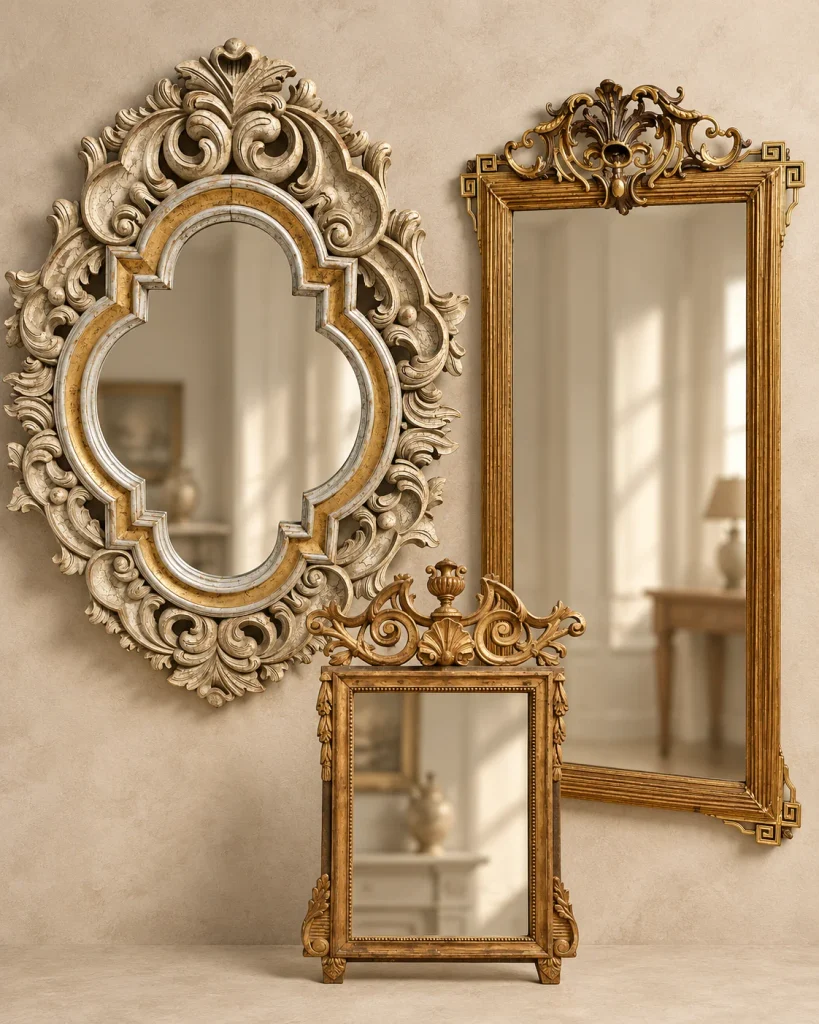
Italian carved mirrors and French style giltwood frames are especially popular right now, which is why ornate mirrors are consistently among the antiques designers are buying for entryways and powder rooms.
If you love the look of a woven wall hanging but want something with a bit more warmth and history, Rio Grande blankets are worth seeking out. These handwoven textiles usually feature bold stripes in natural wool, deep indigo, brick red and other earthy tones, often mixed with diamonds or other geometric patterns. Because each one is handmade, no two blankets look exactly alike, which is a big part of their appeal to collectors.
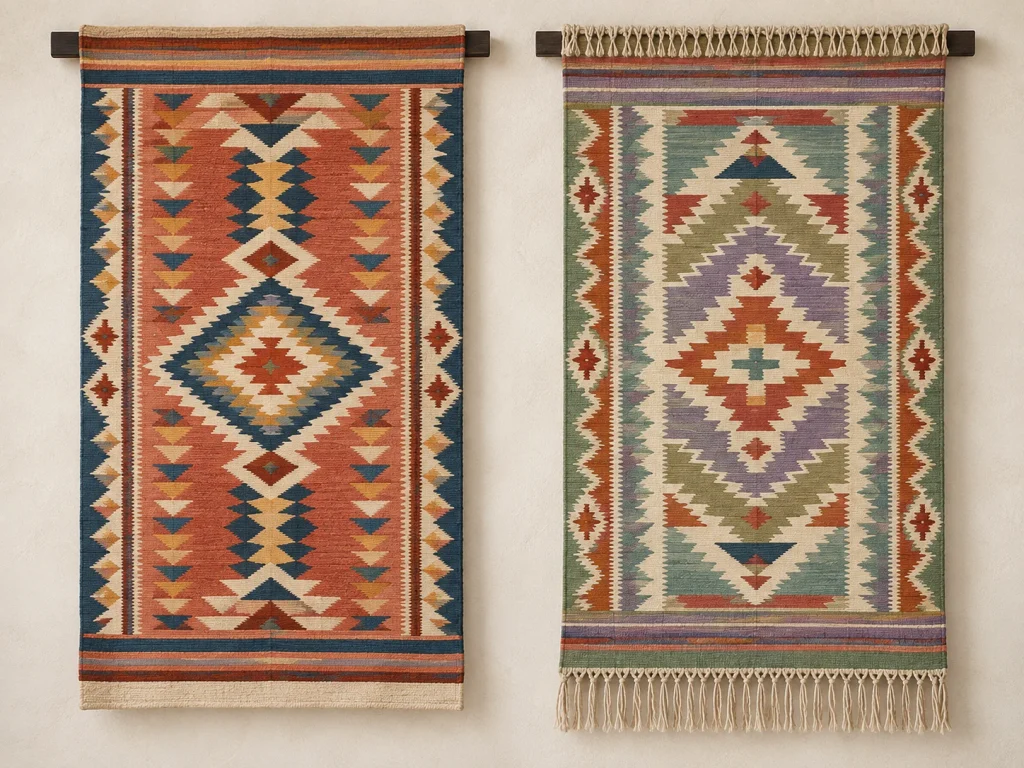
Designers like to hang them on a large blank wall, drape them across the foot of a bed, or fold them over the back of a sofa for an instant hit of color and texture.
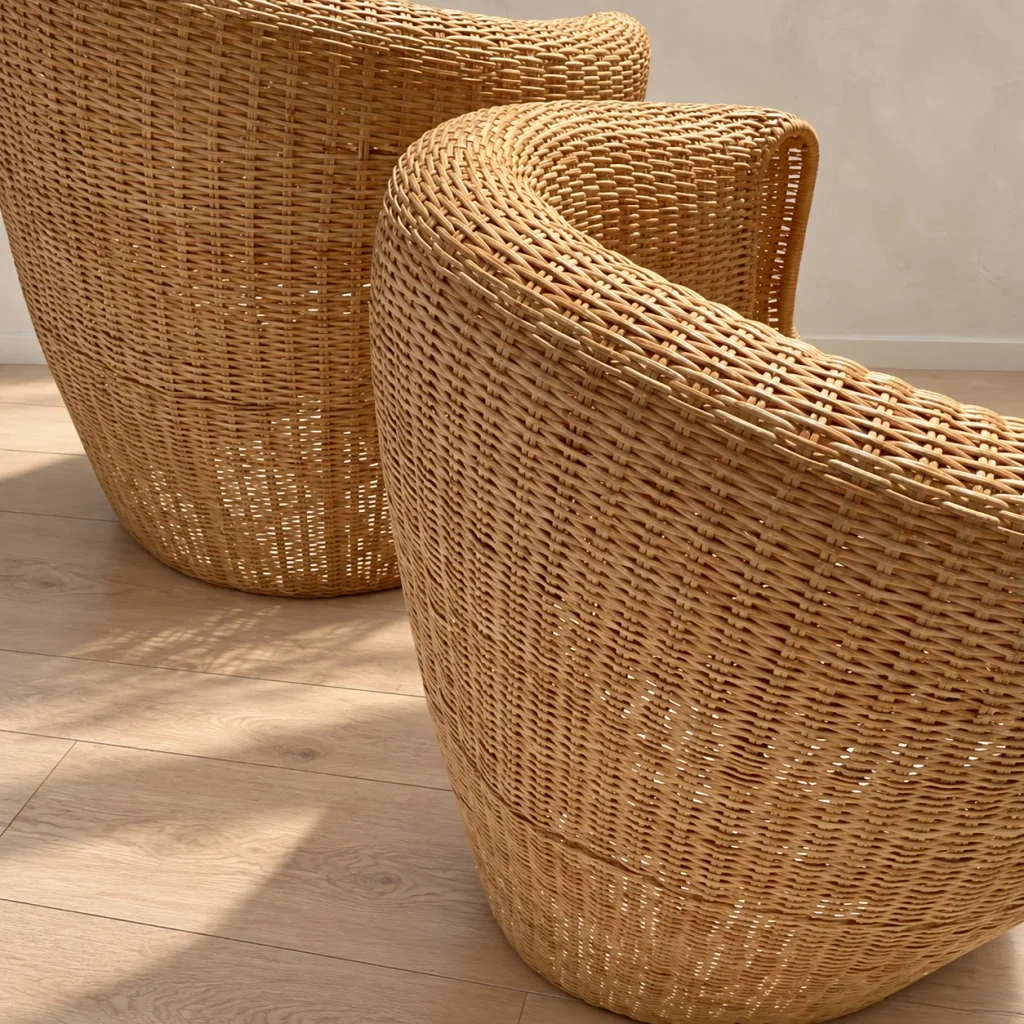
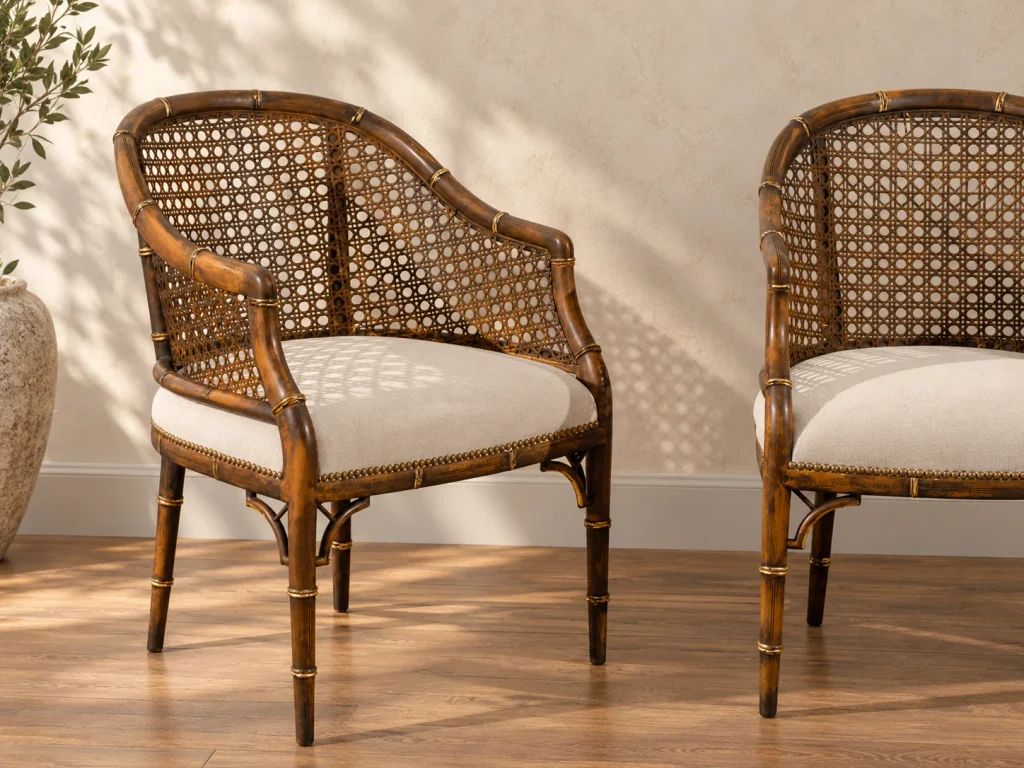
Rattan and cane furniture keeps proving that it is not just a passing summer trend. Vintage barrel back rattan chairs, footstools and settees have a light, airy look that works in almost any room, and the material only gets more character with age.
One of the best things about rattan furniture is how easily it can be reupholstered, so an old chair frame can get a brand new fabric and instantly feel current again while keeping its original charm. Industry surveys on furniture trends continue to point to wicker and rattan as a steady favorite among designers, not a fleeting fad.
Few things add instant warmth and texture to a room the way an antique rug can. Hand knotted rugs with faded, muted colors bring a softness that new rugs, with their crisp dye and even wear, often struggle to match. A good antique rug also tends to be better made than a lot of newer options, since older weaving techniques were built to last for generations, which is part of why rugs remain high on the list of antiques designers are buying.
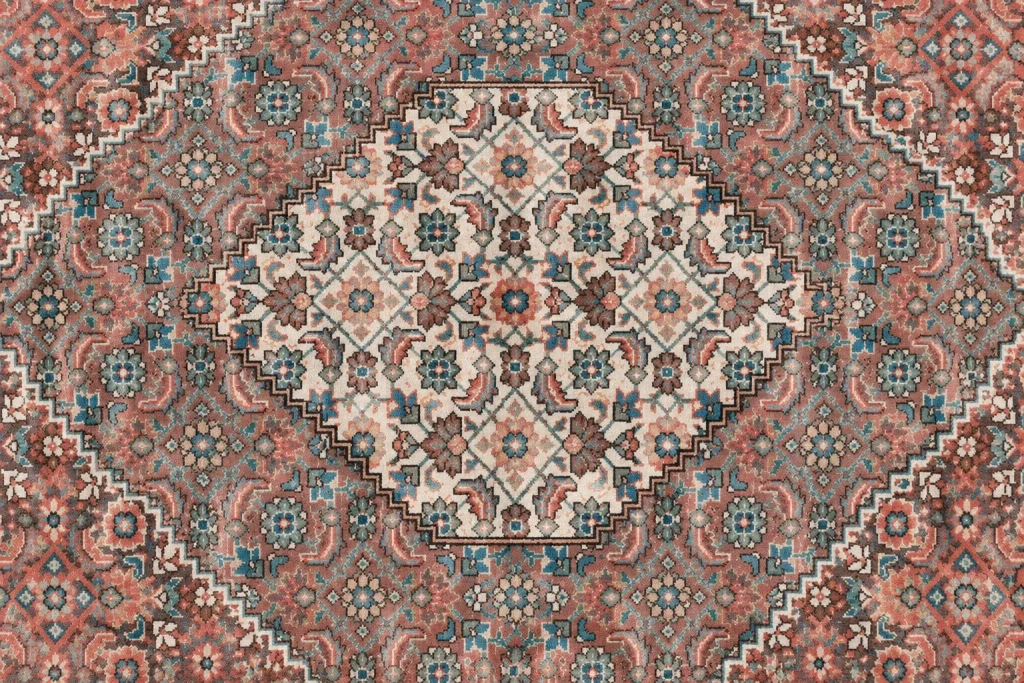
If you find one you love, it is worth having it professionally cleaned before laying it down, since old rugs can carry decades of dust even if they look perfectly fine on the surface.
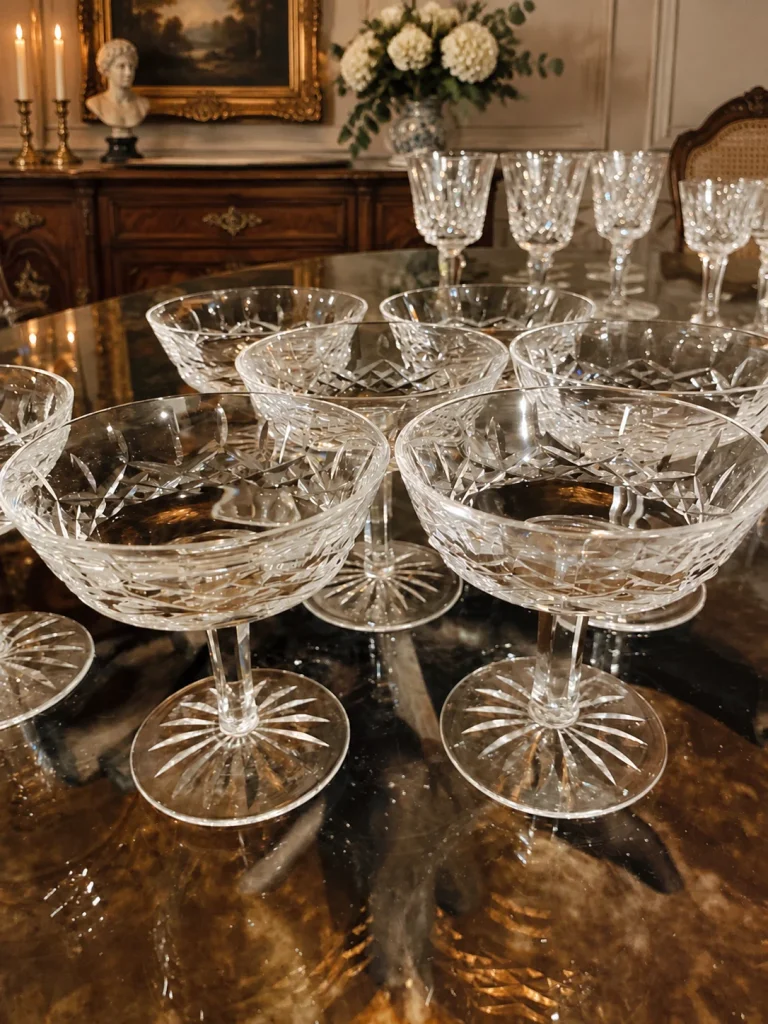
Crystal glassware is seeing a real resurgence, especially pieces with a bit of history behind them. Cut crystal coupes, colored glass vases and delicate stemware from the 1950s are showing up more often in both dining rooms and open shelving, where they catch the light beautifully. Designers are drawn to crystal because it adds a touch of glamour without feeling stuffy, especially when it is mixed casually with everyday glassware rather than locked away for special occasions only, another sign that vintage glassware belongs firmly on the list of antiques designers are buying.
A few mismatched vintage glasses on open shelving is a simple, affordable way to bring this trend into a kitchen or dining space.
Vintage textiles, especially embroidered pieces, are turning up everywhere from secondhand shops to design showrooms. Old embroidered linens, hand stitched towels and vintage samplers can be framed as art, used as pillow covers, or simply displayed on a shelf or ladder. This trend fits perfectly with the wider move toward homes that feel personal and collected rather than perfectly matched.
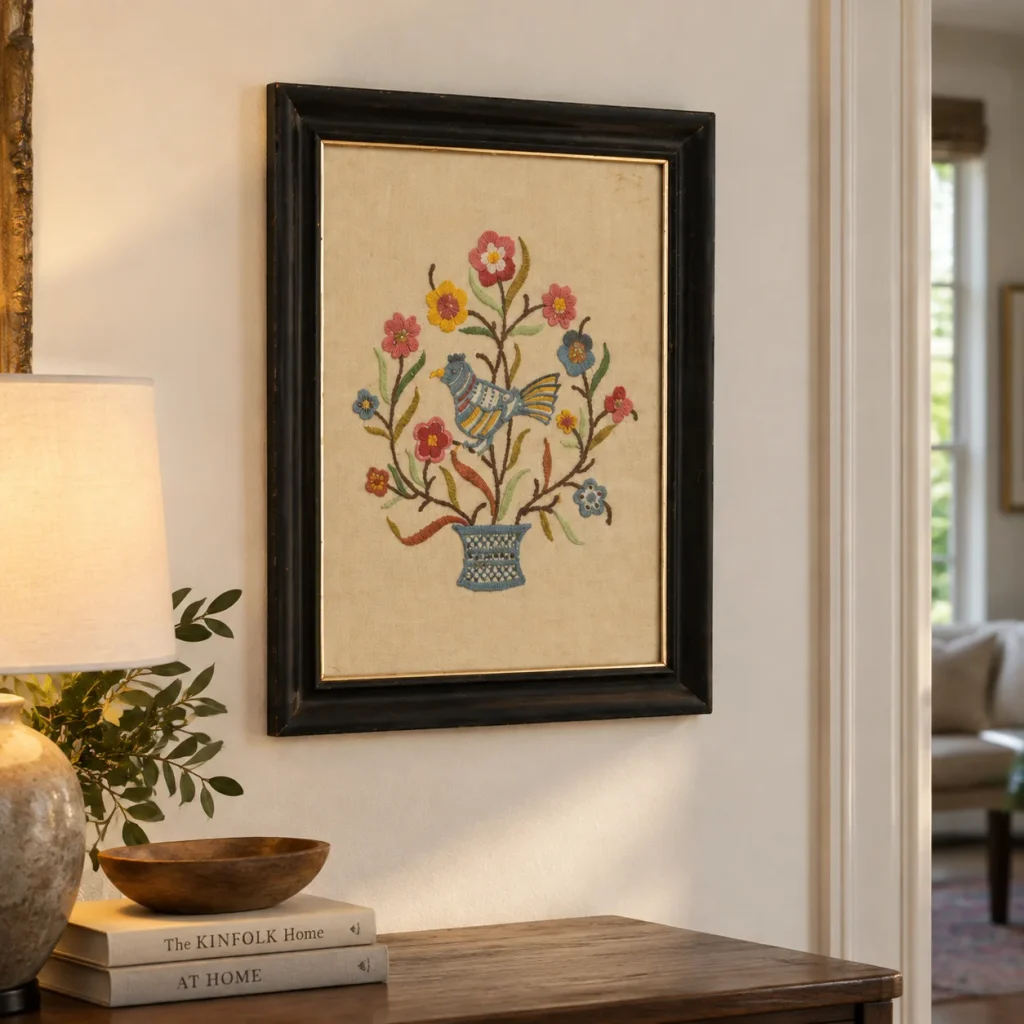
Because embroidery takes real time and skill to make, older pieces often carry a level of detail that is hard to find in anything produced today, which is exactly why designers are hunting for them.
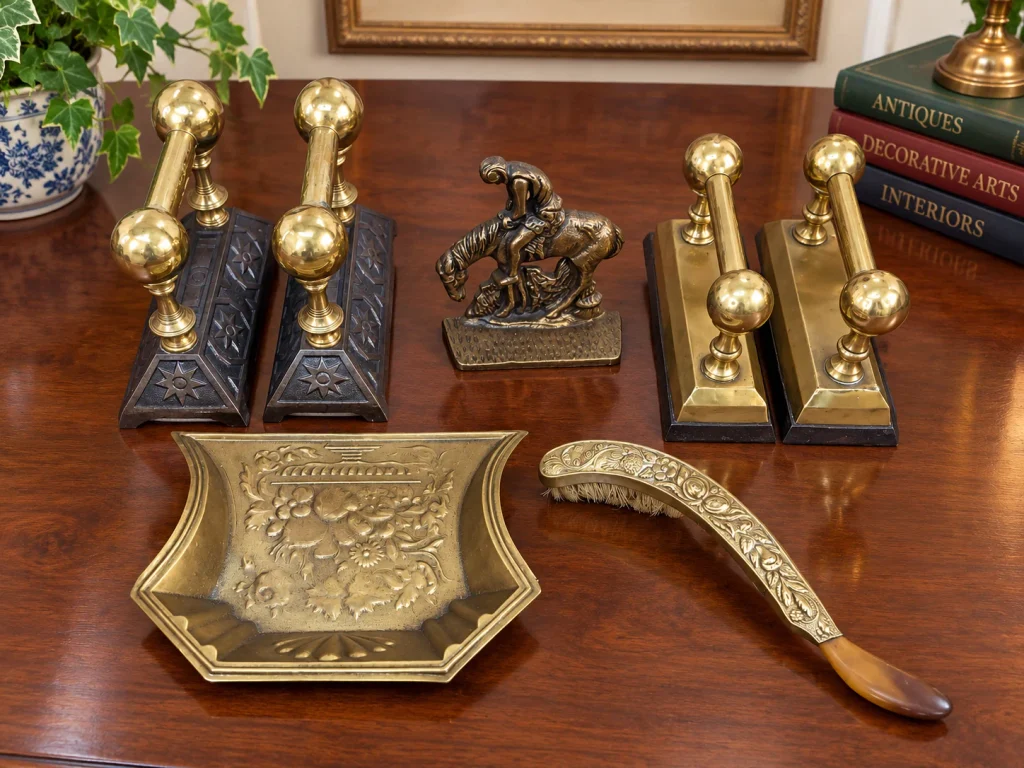
Small brass pieces are an easy, low cost way to start collecting antiques, and designers are leaning into them for exactly that reason, making brass one of the more affordable antiques designers are buying right now. Old brass bookends, trays, candlesticks and even small engraved tools bring a warm, tactile quality to a shelf or console table.
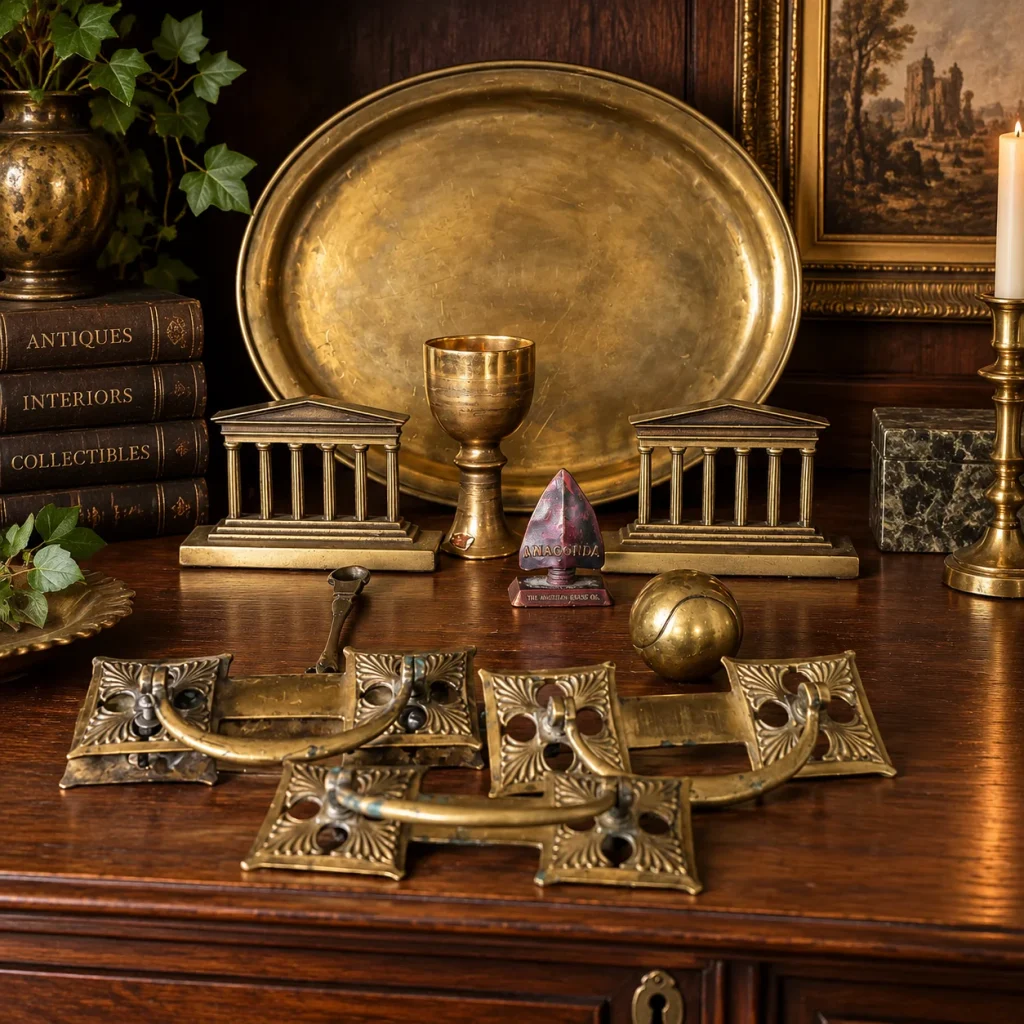
Brass also develops a rich patina over time instead of looking worn out, which is part of why vintage pieces are often more appealing than shiny new brass hardware. Mixing a few aged brass objects in with newer pieces is a simple trick for making a room feel like it was put together over the years rather than all at once.
Upholstered footstools and ottomans are having a quiet comeback, particularly vintage ones with carved wood legs or interesting original fabric. They are practical, since they add extra seating or a place to rest your feet, but they also work as a small canvas for pattern or color in a room that might otherwise be fairly neutral.
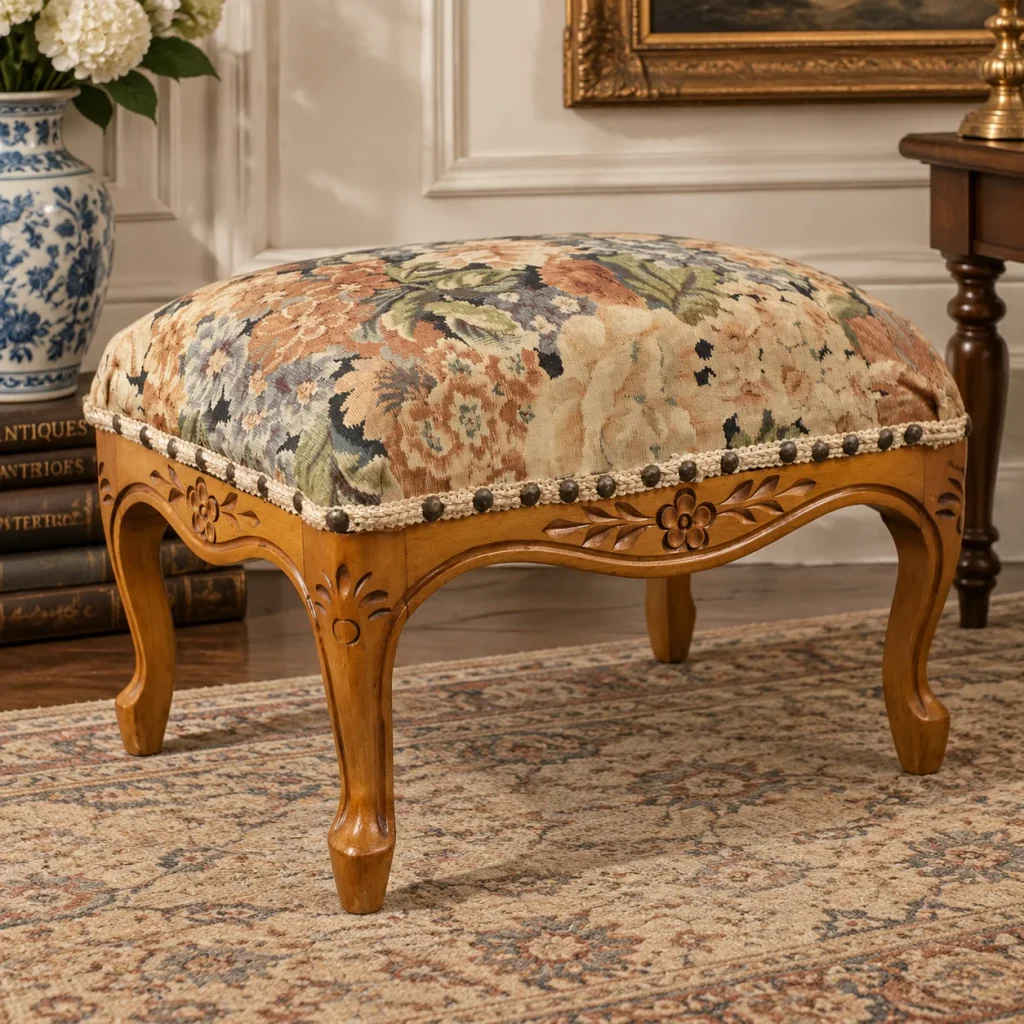
A worn vintage footstool can easily be reupholstered in a bold fabric to make it feel current, while keeping the sturdy, well built frame that older furniture is often known for. It is a small piece that makes a surprisingly big difference in a seating area.
Buying an antique piece is only half the job, since how you use it matters just as much as what you find. This is where a lot of the antiques designers are buying really earn their place, since one strong piece mixed into a modern room usually reads better than several fighting for attention.
Most designers agree that a room full of only antiques can start to feel like a museum, while a room with just one or two older pieces mixed into a modern setup tends to feel warm and collected instead. A good rule of thumb is to let one antique piece be the star of a room rather than competing with several at once.
A single vintage mirror above a modern console, or one antique rug under an otherwise simple sofa and coffee table, usually reads as intentional rather than cluttered. It also helps to repeat a color or material from the antique piece somewhere else in the room, since that small echo ties everything together without making the space feel overly matched.
The best antique finds usually turn up in the least glamorous places, so it pays to check local estate sales, flea markets, thrift stores and consignment shops regularly rather than only searching online. Most of the antiques designers are buying were never found on a first search anyway, they turned up after weeks of casual looking.
When you do shop online, sites that specialize in vintage and antique furniture tend to offer more detail on condition and origin than a general marketplace would, and it is worth asking the seller directly if something seems unclear.
Wherever you shop, look closely at joints, hardware and finishes for signs of quality construction, and do not be put off by small marks or wear, since that is often part of what gives an antique piece its character in the first place. A rug or textile should always be professionally cleaned before it goes into your home, and furniture with reupholstery potential is often a smarter buy than a piece that looks perfect but is poorly made underneath.
Setting a rough budget before you go out shopping also helps, since it is easy to get swept up once you start spotting pieces you love.
Antiques are no longer just a finishing touch tucked into the corner of a room. They have become the starting point for a lot of interior design projects, and it is easy to see why the list of antiques designers are buying keeps getting longer. A single well chosen piece, whether it is a glass chandelier, a handwoven blanket or a small brass tray, brings a sense of history that new furniture simply cannot fake.
These pieces also tend to hold their value far better than mass produced furniture, so buying one is often as much a long term investment as it is a design choice. If any of these pieces caught your eye, now is a good time to start looking, before rising demand pushes prices even higher.
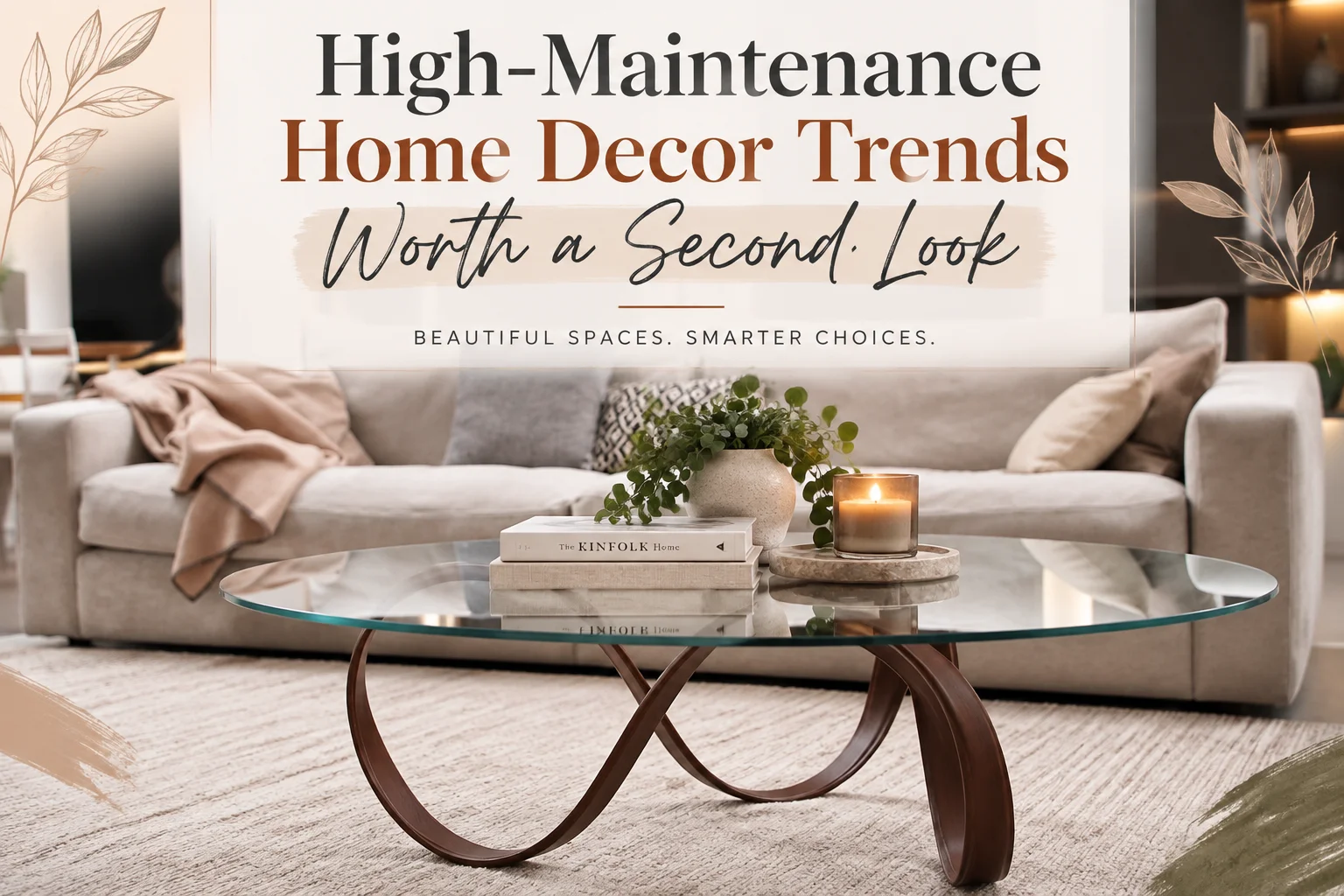
Not every trending look is worth the upkeep. Here are the high-maintenance home decor trends that photograph beautifully but demand…

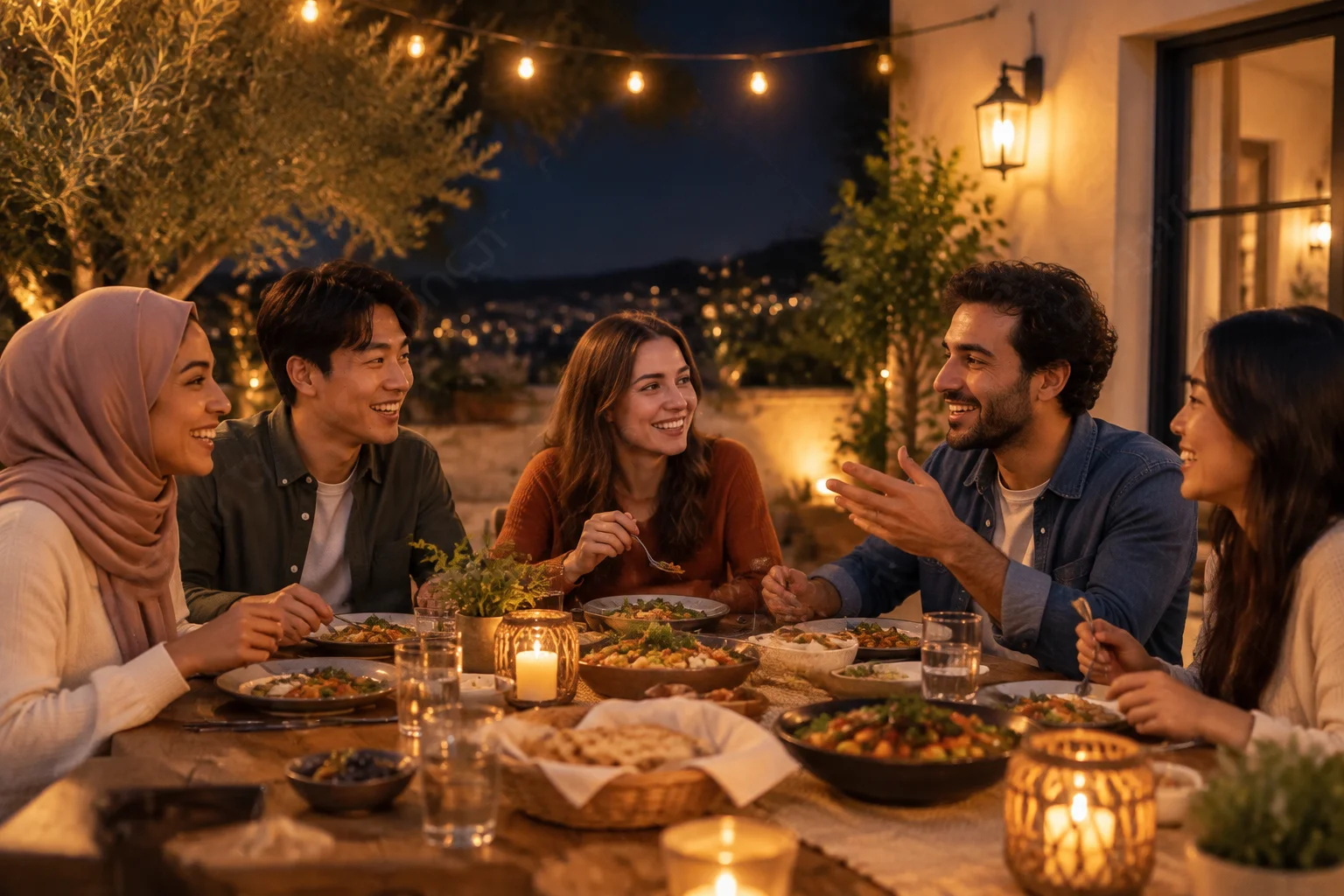
Lanterns get most of the attention when people talk about Mid-Autumn Festival, but the actual center of the holiday has…
Best small, budget-friendly Mid-Autumn Festival balcony decor ideas for moon viewing night, including the furniture, lighting, rugs, and paint colors…
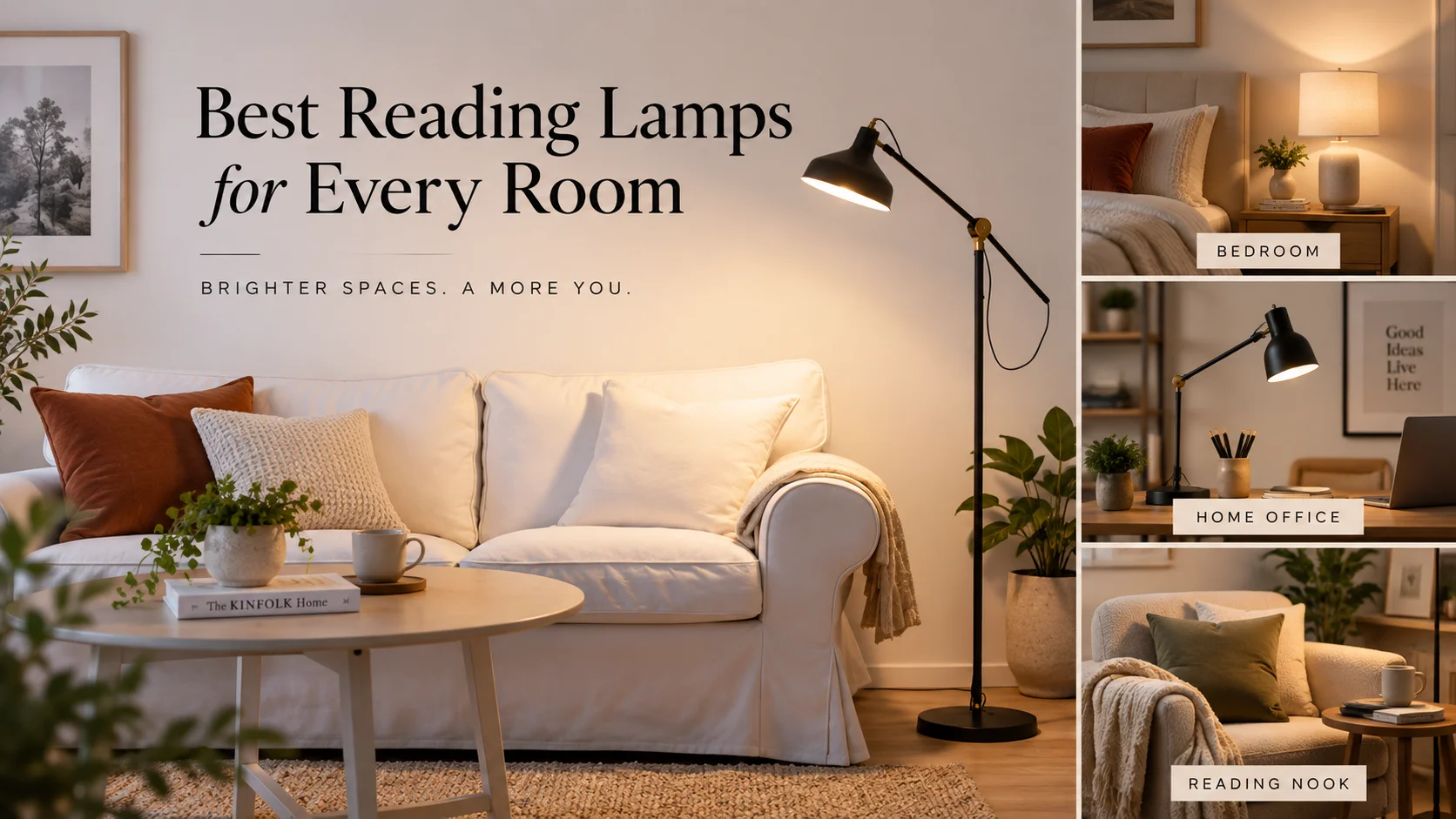
The best reading lamps are not one-size-fits-all. A bedside lamp has a different job than a living room reading lamp….
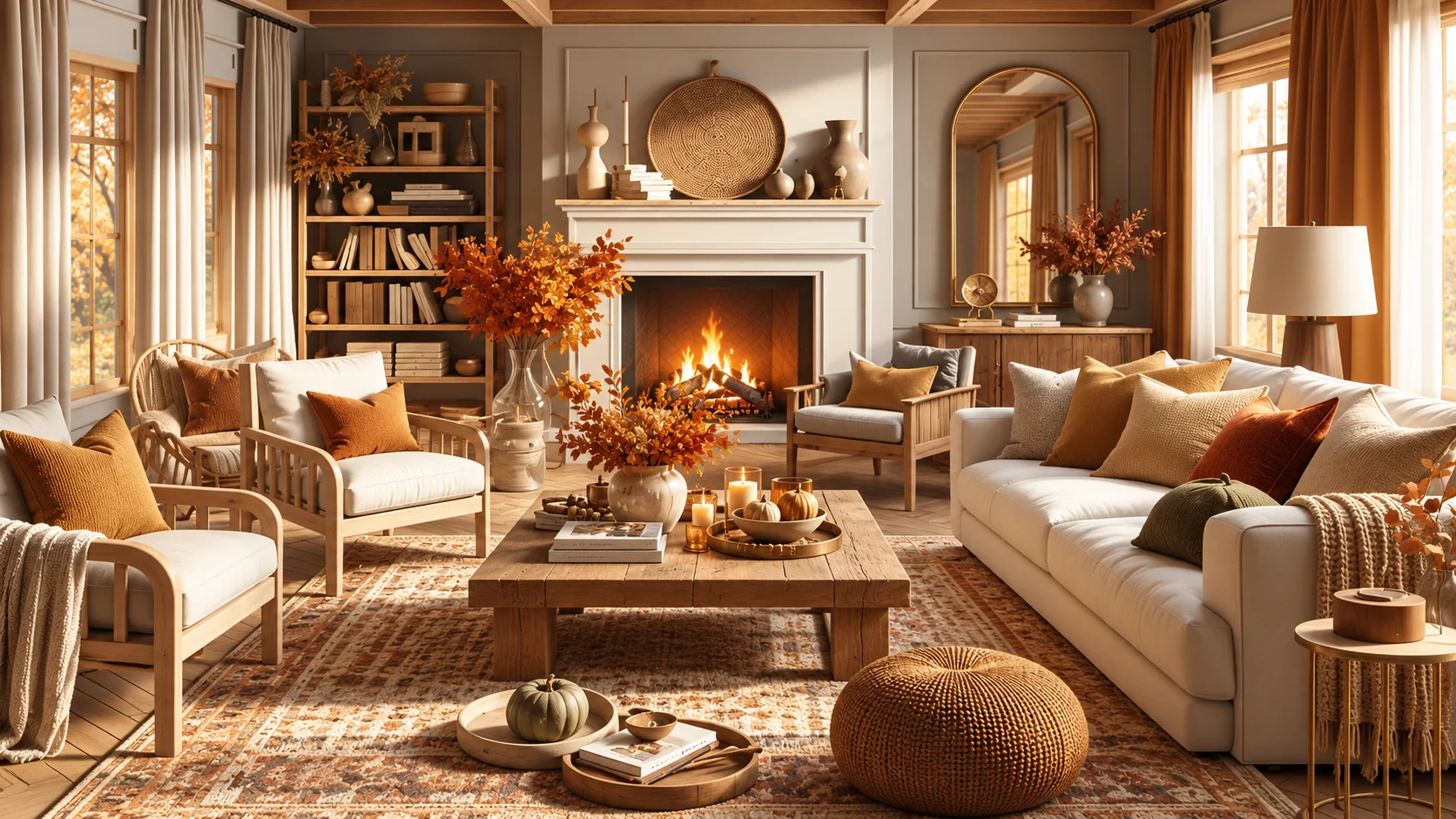
Some fall decor ideas earn their spot every year. Others just fill a landfill by November. Here are the fall…
Mid-Autumn Festival home decor ideas do not need to be complicated or expensive. From lanterns to a proper mooncake centerpiece,…
Designers are currently drawn to antique furniture, vintage rugs, antique mirrors, Murano glass, vintage lighting, and handcrafted collectible decor because these pieces add character and often hold long-term value.
The best approach is mixing antique and modern furniture. Use one or two
statement antique pieces, such as a vintage mirror, antique rug, or heirloom furniture piece, alongside contemporary elements to create a warm, layered interior.
Well-made antiques with strong craftsmanship, provenance, and timeless
appeal can retain value better than many mass-produced furniture pieces,
especially when demand increases for rare and collectible items.
Designer-loved pieces such as ornate mirrors, antique rugs, vintage
lighting, aged brass objects, and quality wood furniture can instantly
create a luxury, heritage-inspired atmosphere.