Address
304 North Cardinal
St. Dorchester Center, MA 02124
Work Hours
Monday to Friday: 7AM - 7PM
Weekend: 10AM - 5PM
Address
304 North Cardinal
St. Dorchester Center, MA 02124
Work Hours
Monday to Friday: 7AM - 7PM
Weekend: 10AM - 5PM


Moving into a new home is one of those moments that feels exciting, stressful, expensive, and weirdly emotional all at the same time. One day you are signing papers, unpacking boxes, and imagining cozy movie nights. The next day you are sitting on the floor eating takeout because you forgot dining chairs were apparently important. Almost every homeowner goes through that stage where the house technically belongs to them, but it still does not quite feel like home.
That is where home decor becomes more than decoration. Good home decor shapes how your home feels when you wake up, work, relax, or invite people over. The homeowner needs in 2026 have changed too. People are spending more time at home, mixing work and personal spaces, and trying to create rooms that look nice without sacrificing comfort. Nobody wants a beautiful house that feels uncomfortable to live in.
When I helped friends move into their first home, they bought expensive wall art before buying bedside lamps. It looked amazing during the day and terrible at night. That experience taught me something simple. Home decor essentials should always balance comfort, practicality, and personality.
In this guide, we are covering the home decor essentials that actually matter, the trends shaping homes in 2026, and the small details that make new spaces feel warm instead of unfinished.
Homes have changed a lot over the last few years. A living room is no longer only a place for guests. Bedrooms double as workspaces. Kitchens have become gathering spots. Even corners of homes are now expected to work harder.
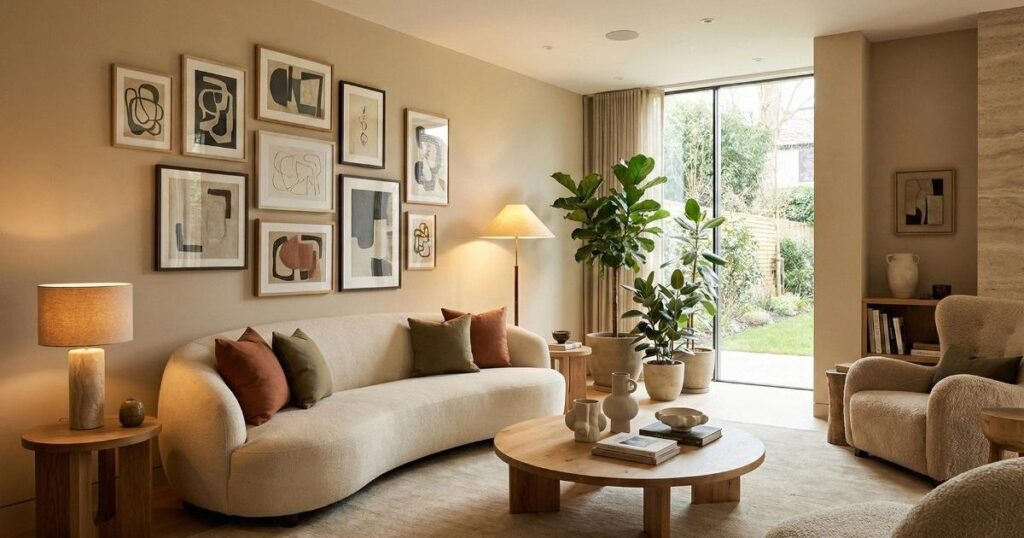
Because of this shift, homeowner needs in 2026 focus heavily on flexibility. People want furniture that serves multiple purposes, storage that keeps clutter away, and rooms that feel relaxing instead of overwhelming.
A lot of new homeowners make the mistake of decorating too quickly. There is pressure to make every room look finished immediately, especially after scrolling social media for ten minutes. But homes usually come together slowly. The best spaces are built through everyday life, small upgrades, and pieces that actually mean something.
Living rooms usually become the center of everything. They host conversations, movie nights, afternoon naps, family gatherings, and sometimes become temporary offices when deadlines appear.
The biggest mistake people make is focusing too much on appearance instead of comfort. A trendy sofa might look beautiful online, but if it feels uncomfortable after twenty minutes, you will notice it every day.
Investing in comfortable seating makes a huge difference, and pairing it with the right living room decor ideas can pull the whole space together. A sofa with durable fabric, enough seating space, and quality cushions usually works better than chasing trendy designs.
Lighting is another thing homeowners often underestimate. Ceiling lights alone rarely create warmth. Layering floor lamps, table lamps, and softer lighting creates depth and makes spaces feel lived in. Have you ever walked into a room and instantly felt relaxed without knowing why? Lighting is usually the reason.
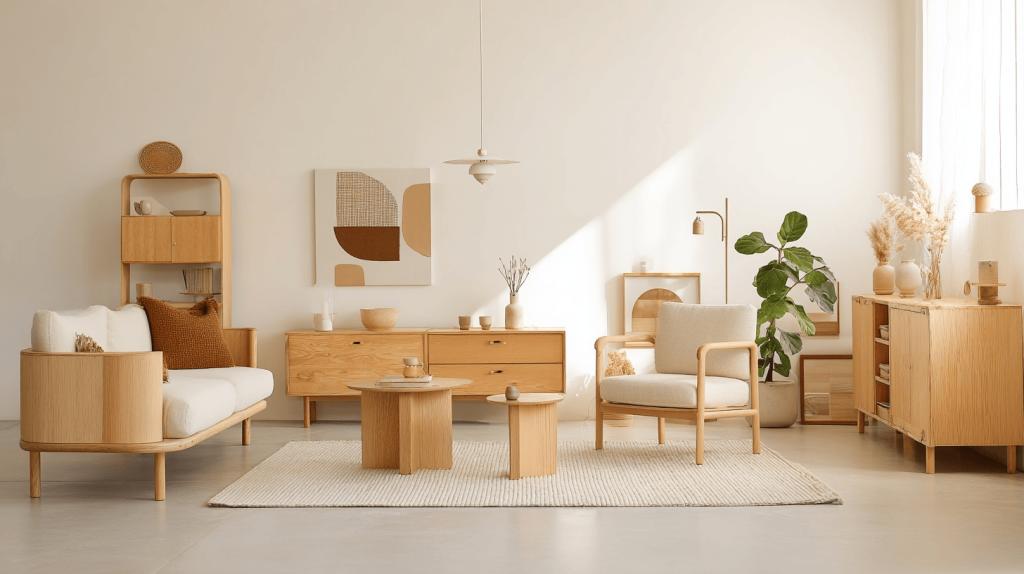
Rugs help too. They make rooms feel grounded and connected. A properly sized rug can completely change how large or cozy a room feels.
Bedrooms often become storage spaces by accident. Boxes stay there longer than planned. Laundry piles appear. Somehow random chargers multiply.
A bedroom should feel like a place where your brain slows down. If you’re starting from scratch, these bedroom decor essentials are a good place to begin.
Quality bedding matters more than decorative accessories. Soft sheets, supportive pillows, and layered blankets make rooms feel inviting immediately. You notice comfort every night. Decorative items mostly sit quietly in corners.
Storage solutions matter because clutter creates stress, even when we pretend it does not. Storage benches, floating shelves, under bed containers, and multifunctional furniture make spaces feel calmer without requiring larger rooms.
One trend shaping homeowner needs in 2026 is choosing fewer decorative items but selecting pieces with more meaning. Family photos, books, artwork, and travel souvenirs create personality without overcrowding spaces.
People spend far more time in kitchens than they expect after moving.
The challenge is keeping kitchens practical while making them feel welcoming. For more direction, this guide to kitchen design ideas covers exactly that balance. Countertops packed with appliances create visual stress quickly. Instead of displaying everything, keep only frequently used items visible. A coffee station, wooden tray, or small plant can make kitchens feel styled without looking crowded.
Open shelving continues to remain popular, although many homeowners discover it requires more cleaning than expected. Using shelves for everyday dishes or decorative storage baskets keeps things practical.
Small details matter here. Matching containers, organized drawers, and warm lighting make kitchens feel more expensive without large renovations.
Minimalism worked for some people. Maximalism worked for others. Most homeowners ended up somewhere in between.
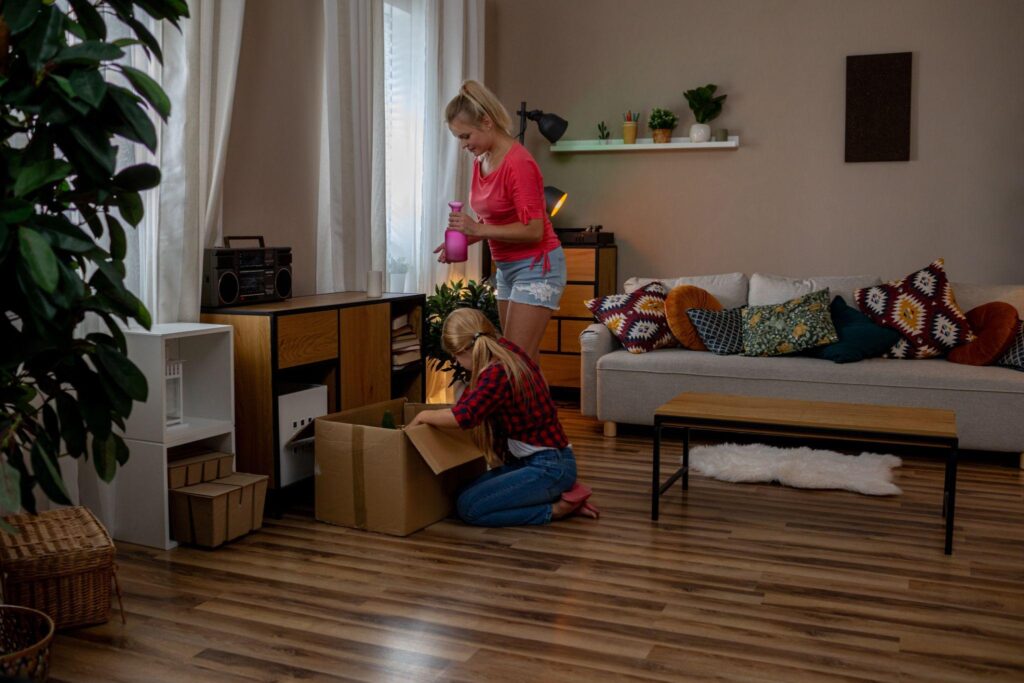
That middle ground is often called midimalism. Midimalism combines clean spaces with warmth and personality. Rooms stay organized without feeling empty. Decorative pieces remain intentional without overwhelming spaces.
This trend works because real homes are messy sometimes. Kids leave toys around. Pets exist. Laundry happens. Midimalism accepts that homes should function first and impress second.
Technology has quietly become part of home decor. Smart lighting allows homeowners to change mood instantly. Adjustable lighting can shift rooms from productive workspaces during the day to relaxing environments at night.
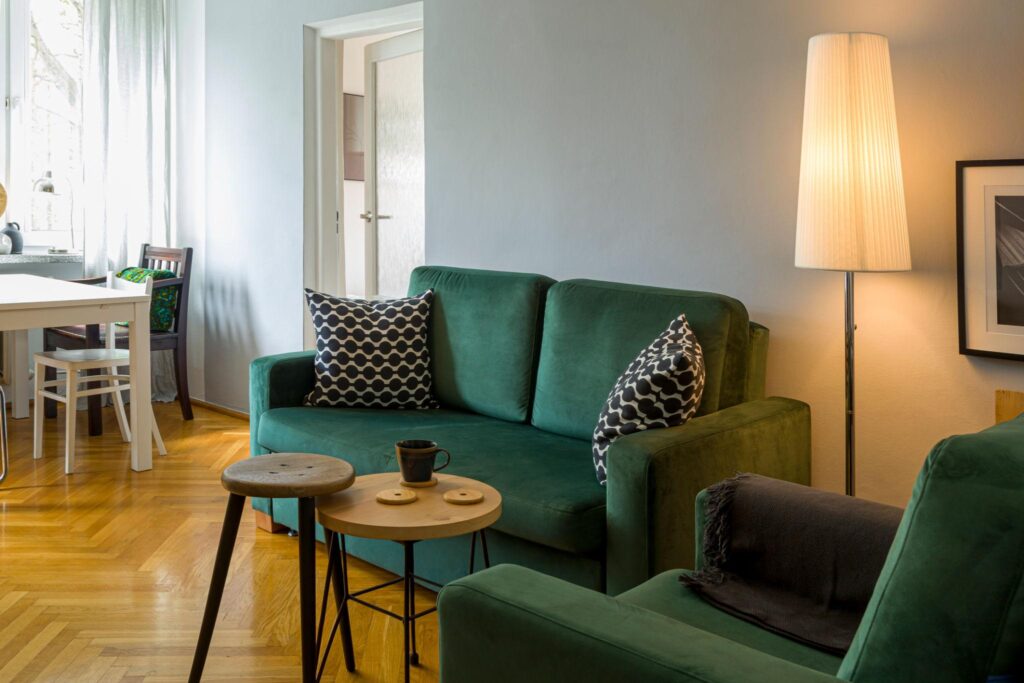
Multifunctional furniture continues growing because people want flexibility. Storage ottomans, expandable dining tables, and hidden storage pieces solve problems while saving space.
Plants remain one of the easiest upgrades possible. They soften rooms, add texture, and make homes feel alive. Even people who claim they kill every plant eventually find one they can keep alive.
Moving expenses add up quickly. Many homeowners overspend because they believe everything must happen immediately.
It does not.
Decorating slowly often leads to better decisions. Spending more on furniture you use daily and less on trendy accessories usually creates better long term value. Paint remains one of the cheapest transformations available. Lighting changes rooms dramatically. Rearranging furniture costs nothing. Some of the best home decor ideas are surprisingly simple.
Creating a home takes more time than most people expect, and honestly, that is completely normal. The pressure to make every room look finished immediately can feel overwhelming, especially when social media makes it seem like everyone moves into perfectly decorated homes overnight. Real homes do not work like that. They grow slowly through everyday routines, small upgrades, random purchases that somehow work out, and little details collected over time.
The most important thing to remember about home decor is that your home should support your lifestyle, not create extra stress. Comfortable seating matters more than trendy furniture. Functional storage matters more than decorative clutter. Warm lighting, personal touches, and spaces that work for your daily routine often make a bigger difference than expensive upgrades.
Homeowner needs in 2026 are shifting toward homes that feel flexible, comfortable, and personal. People want spaces where they can relax after long days, spend time with family, work when needed, and still feel proud when guests visit. That balance between function and comfort is where good home decor really shines.
So decorate slowly. Experiment a little. Change things when they stop working. Your house does not need to look perfect to feel like home. Sometimes the most memorable spaces are the ones that feel lived in, slightly imperfect, and completely yours.
What is the first thing you would add to make a new house truly feel like home?
The most important home decor essentials include comfortable seating, layered lighting, storage solutions, quality bedding, practical furniture, and decor that supports daily life.
Midimalism, multifunctional furniture, smart lighting, natural materials, and personalized spaces are among the biggest home decor trends shaping homes in 2026.
Start slowly, prioritize essential furniture first, use paint strategically, mix affordable pieces with investment items, and avoid rushing purchases.
Focus on seating, beds, dining furniture, storage solutions, and lighting before purchasing decorative accessories.
Use soft textures, warm lighting, rugs, personal items, and comfortable furniture to create spaces that feel welcoming.