Address
304 North Cardinal
St. Dorchester Center, MA 02124
Work Hours
Monday to Friday: 7AM - 7PM
Weekend: 10AM - 5PM
Address
304 North Cardinal
St. Dorchester Center, MA 02124
Work Hours
Monday to Friday: 7AM - 7PM
Weekend: 10AM - 5PM

Bathroom mirrors are having a moment, oversized, backlit, round, frameless. But bigger and trendier doesn't always mean better. Here's an honest look at which bathroom mirror trends are worth your money and which ones you can skip.
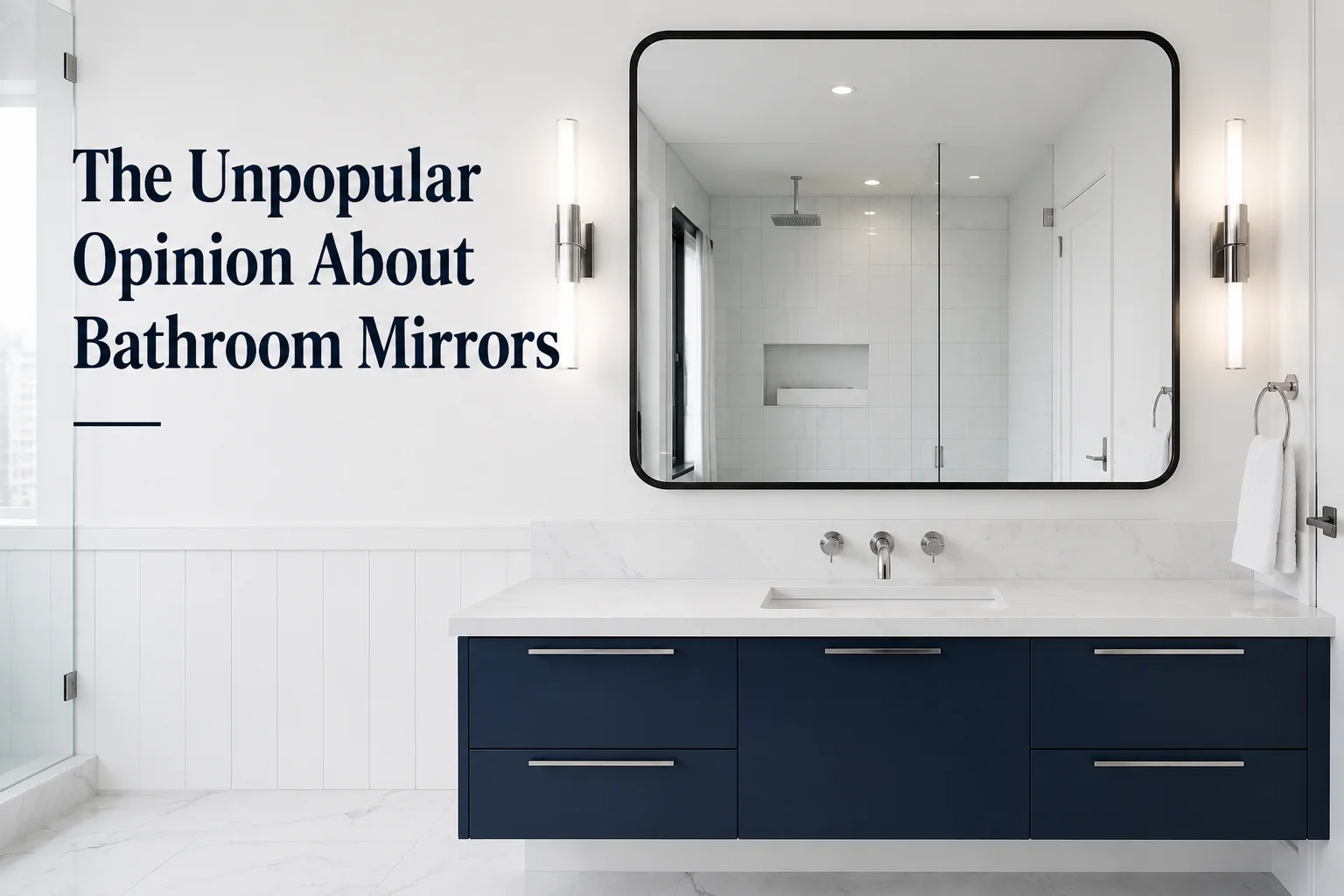
Somewhere along the way, the bathroom mirror stopped being a thing you just needed and became a thing you were supposed to have an opinion on. Scroll through any home renovation feed and you will see the same handful of bathroom mirrors again and again. Enormous arched ones leaning against tiled walls. Backlit circles glowing like something out of a spa brochure. Frameless slabs stretching from one end of the vanity to the other.
None of that is wrong exactly. But somewhere in all the scrolling, it stopped being about what actually works in your bathroom and started being about what photographs well. And those are not always the same thing.
I have spent a long time looking at bathroom mirror trends for this site, and the more I look, the more convinced I am that a lot of what gets called a must have is really just a must have for now. So instead of giving you another twenty ideas post, I want to walk through the trends that get pushed hardest and be honest about which ones are worth chasing and which ones you can quietly skip.
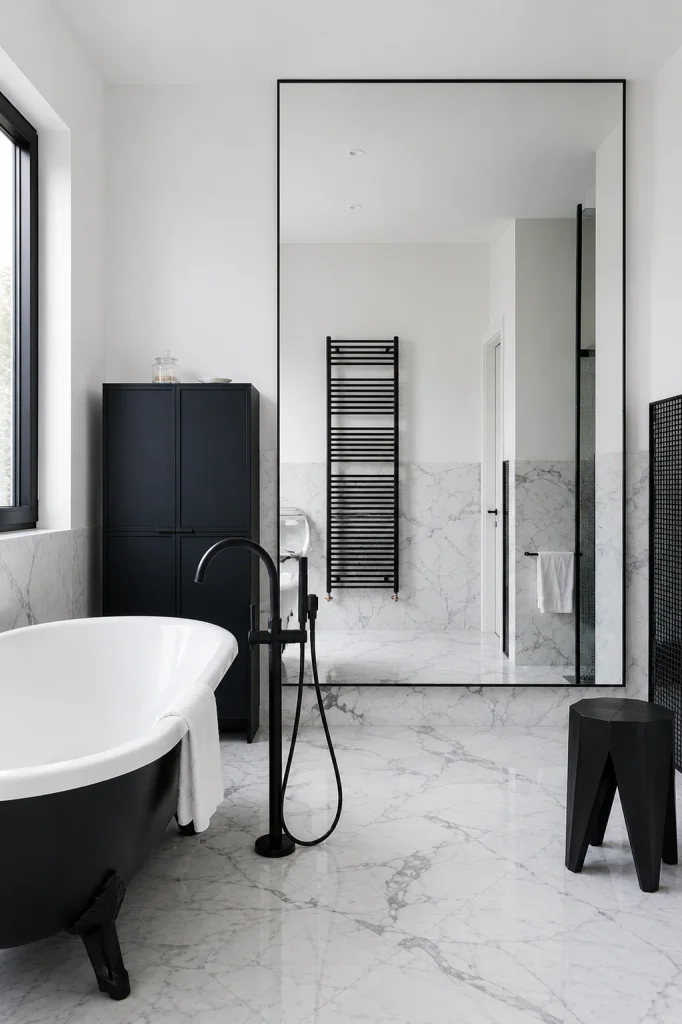
There is a reason oversized and full wall mirrors for bathroom show up in almost every 2026 bathroom roundup. Designers do genuinely use bathroom mirrors to bounce light around a small room and make it feel bigger, and in the right space that works beautifully. But a mirror that is too big for your actual vanity does not automatically look expensive. Sometimes it just looks like the room was built around the mirror rather than the other way round. Before you go oversized while choosing bathroom mirrors, measure your wall properly and think about what is actually reflecting back at you, because a huge mirror facing a radiator or an awkward pipe run will not do you any favours.
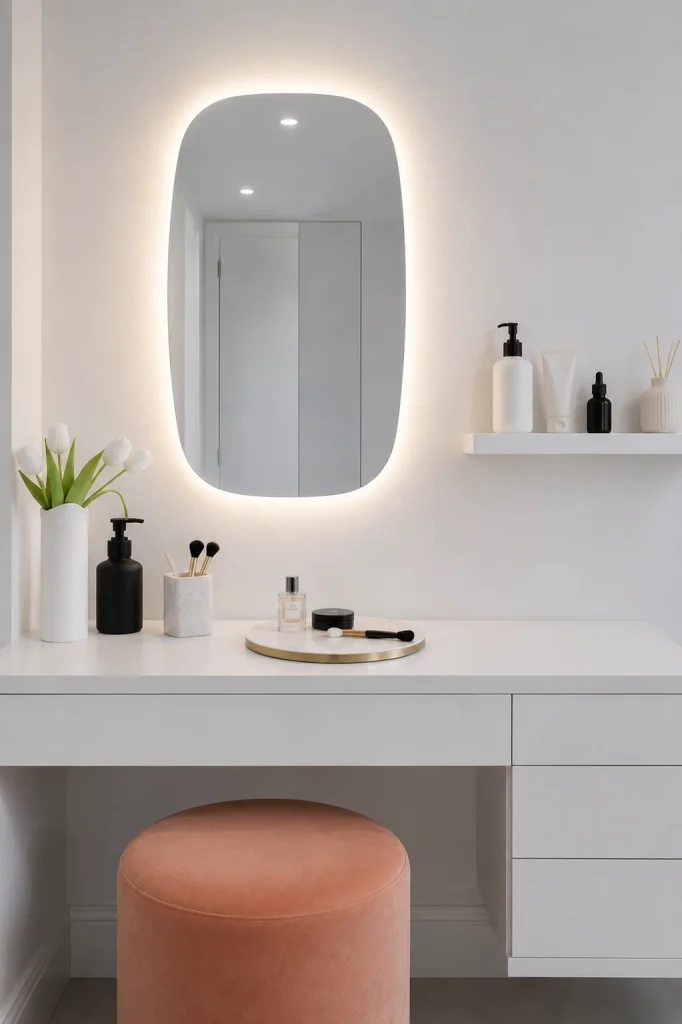
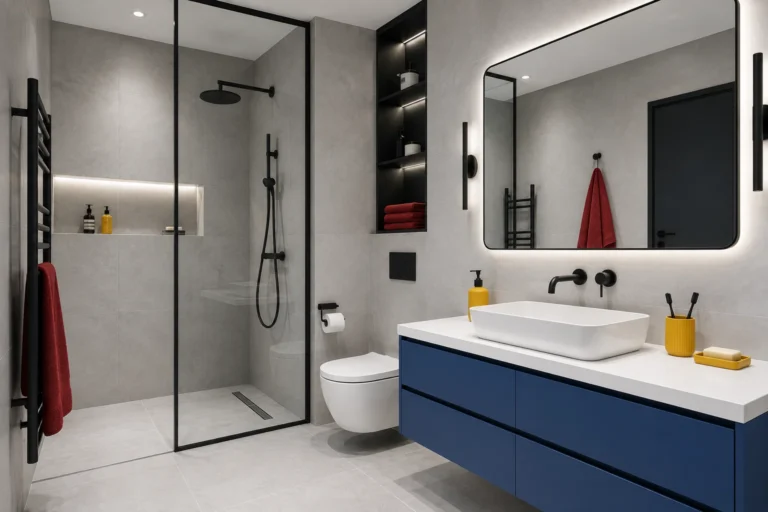
Built in lighting sounds like the obvious modern choice, and for some bathrooms it genuinely is, particularly if your existing lighting is poor or you do a lot of getting ready in that room. But an LED mirror is also an electrical fitting with a wire, a driver, and eventually a bulb or panel that will need replacing. If your current lighting already does the job, a backlit mirror for bathroom is more of a nice to have than a real fix. It is worth asking whether you want it because your bathroom needs it or because bathroom mirrors look good in photos.
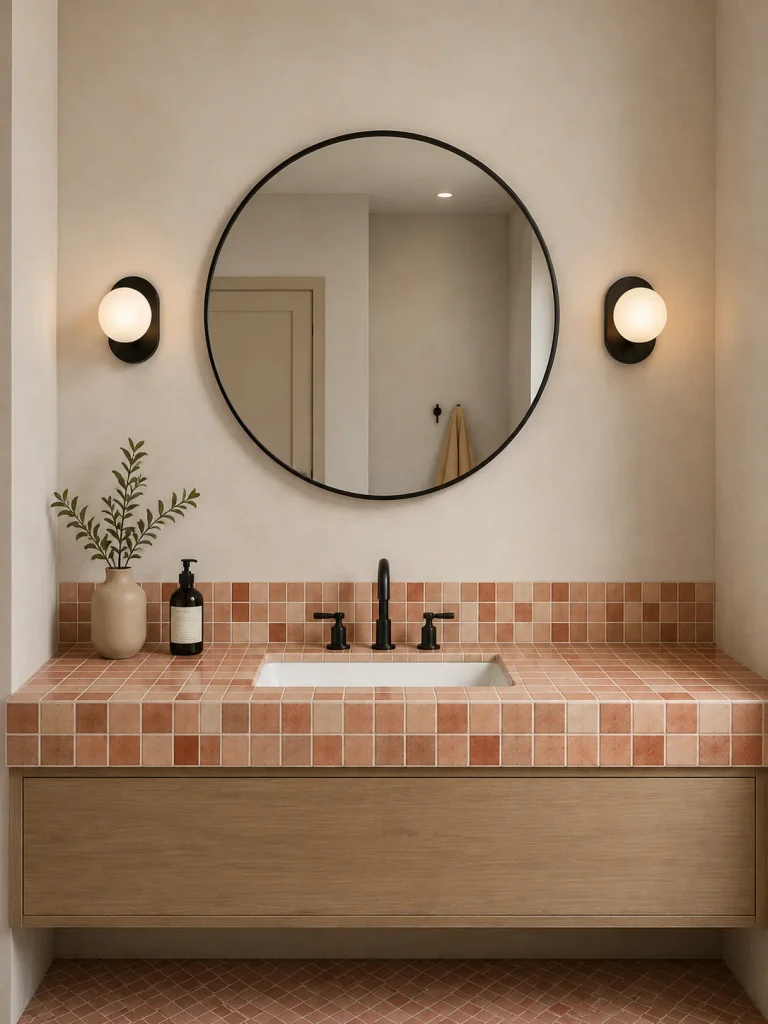
Round mirrors have had a strong run, and they do soften a bathroom that is otherwise full of straight lines and hard edges. The trouble is a round mirror over a long, straight vanity often leaves awkward gaps of bare wall on either side that a rectangular mirror would have filled properly. If your vanity is narrow or your wall space is tight, a round vanity mirror can end up looking like an afterthought rather than a feature. It works best when the rest of the room already has some curve to echo, in the taps, the light fitting, or the basin itself.
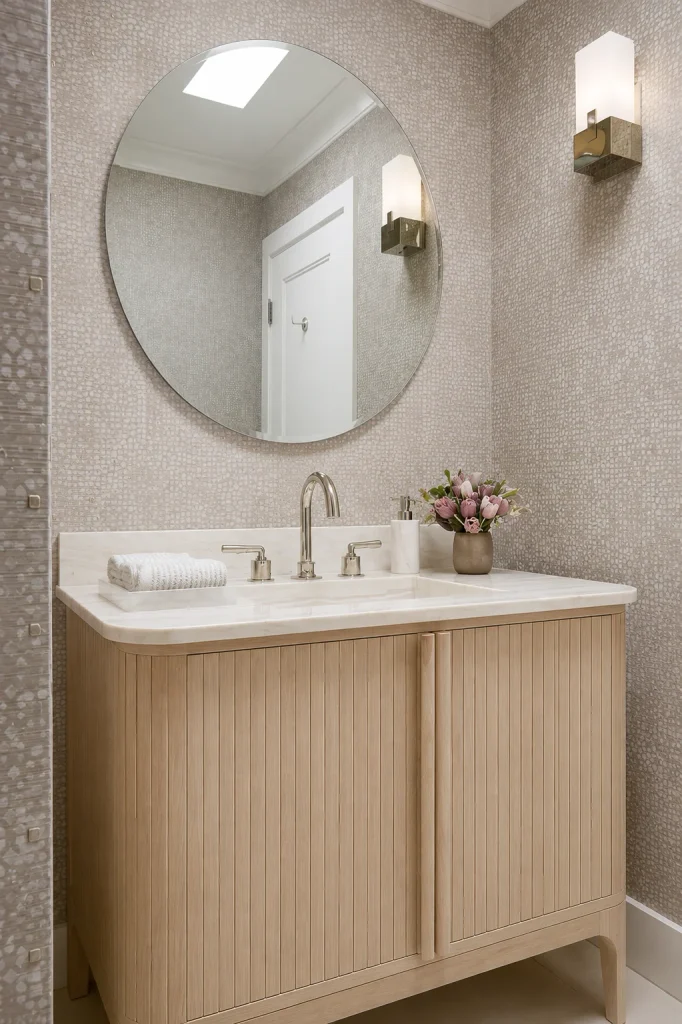
A frameless mirror for bathroom is often described as clean and minimal, and it can be, but it can also be the single most forgettable thing in a bathroom. Plenty of new builds already come with a plain frameless mirror fitted as standard, which means adding another one does not add character, it just blends into what was already there. If you like the frameless look, a shaped edge, a bevelled cut, or an unusual proportion will do a lot more for the room than a plain rectangle ever will.
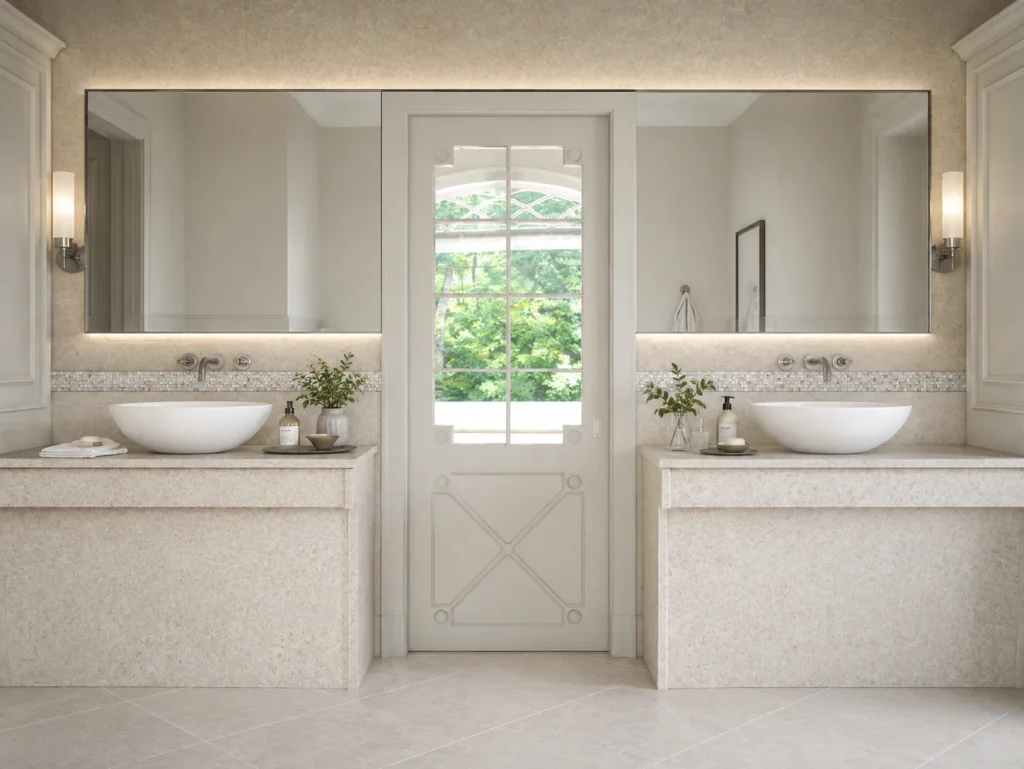
Two matching bathroom mirrors over a double sink look tidy in photographs, and there is nothing wrong with choosing them. But it is worth knowing that a single wide mirror stretching across both basins gives you the same practical result, one reflection each, with fewer joins and less hardware on the wall. If storage is tight, a single mirror also leaves room for a mirrored cabinet behind it, which two separate mirrors usually cannot offer in the same way.
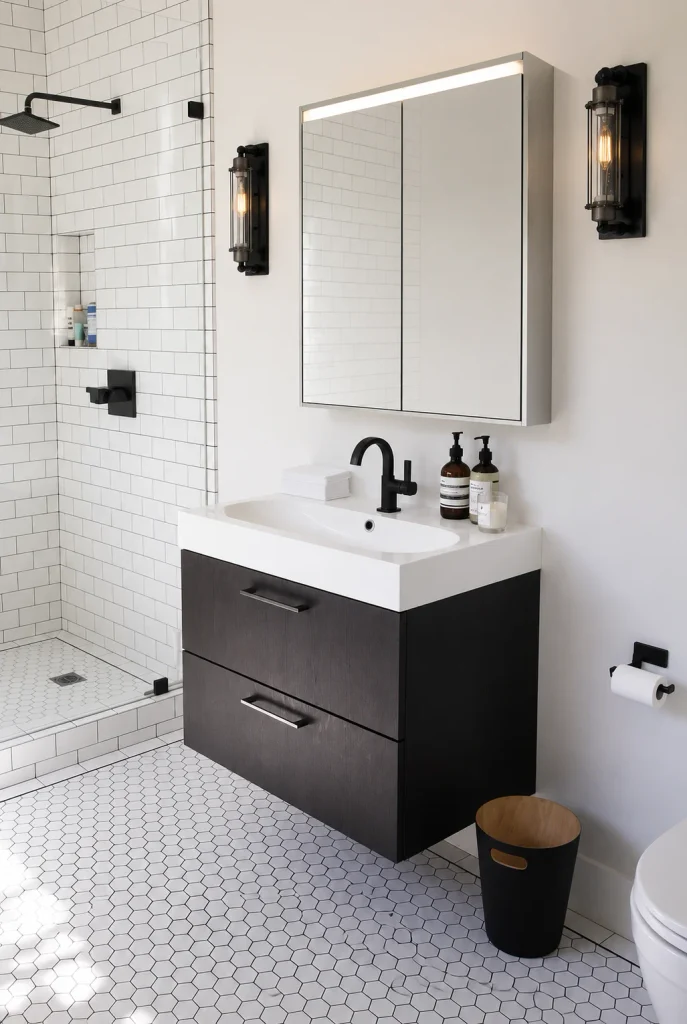
For a while, the mirrored medicine cabinet was treated as something to rip out and replace with a statement piece. That is starting to shift, and rightly so. A properly built in cabinet mirror gives you storage that does not eat into your counter or floor space, keeps everyday clutter out of sight, and still does the same reflective job as a decorative mirror. If your bathroom is small, this is one of the few trends that is actually making a comeback for a good practical reason rather than an aesthetic one.
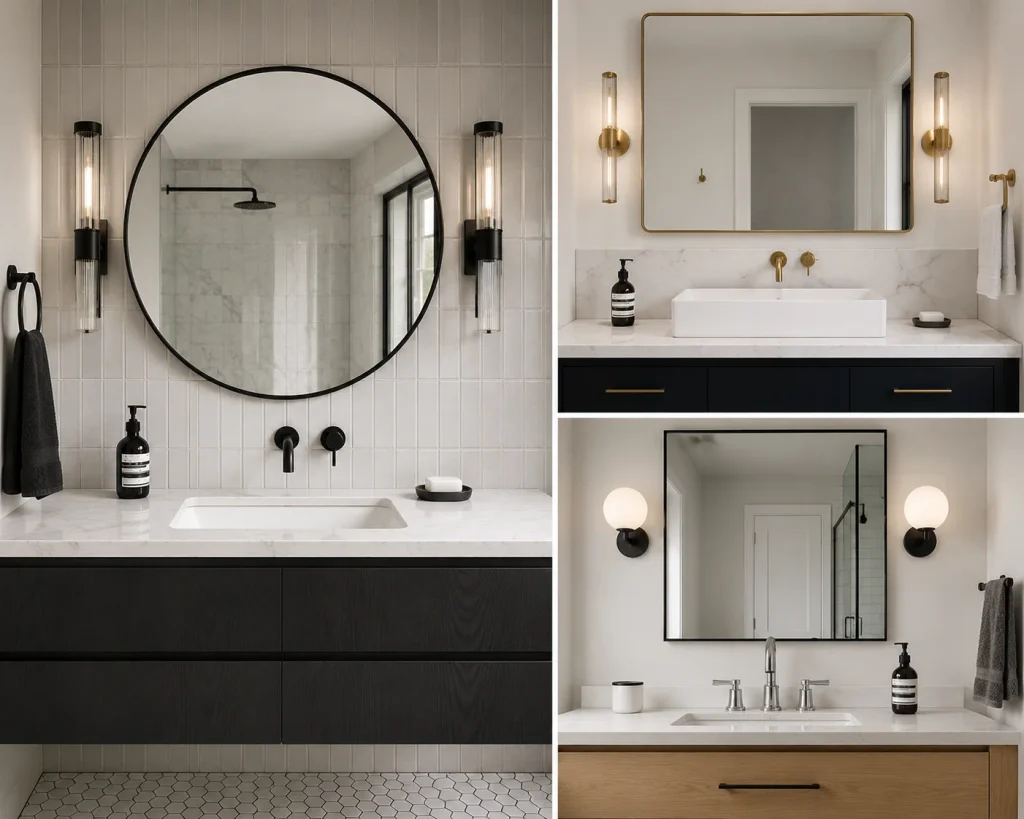
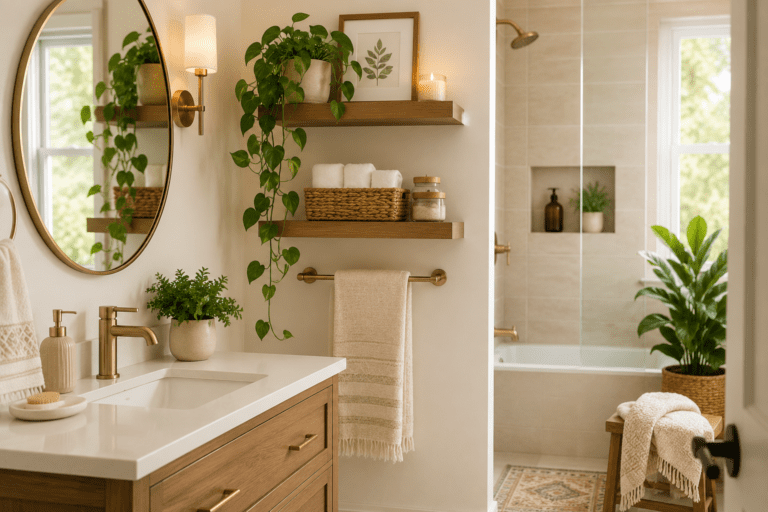
There is a persistent idea that every metal finish in a bathroom needs to match, the mirror frame, the taps, the towel rail, all in the same brass or the same black. It can look pulled together, but it can also feel a bit showroom rather than lived in. Mixing a warm wood or a plain frame against cooler metal fittings often reads as more considered, not less, especially in a bathroom with any period character.
You don’t need a luxury renovation budget to elevate your bathroom, just a few strategic styling upgrades that deliver maximum visual impact for a fraction of the cost.
Once you take the trend pressure out of it, choosing bathroom mirrors comes down to a few practical questions rather than what is popular this year.
Size matters more than people expect. A mirror that is roughly the same width as your vanity, or slightly narrower, tends to look the most balanced. Full wall mirrors work well in small or windowless bathrooms specifically because they bounce light around, according to guidance from Matrix Mirrors on sizing and placement, which is worth a read if you are unsure about proportions.
Shape should follow the room, not the trend chart. A bathroom full of straight edges can take a round or oval mirror well. A bathroom that already has curves everywhere might actually need a straight edged mirror to balance it out.
Framed or frameless comes down to how much visual weight your bathroom already has. A busy tiled wall often suits a plain frameless mirror so the eye has somewhere to rest. A plain, quiet bathroom can usually take a framed mirror without it feeling too heavy.
Lighting should be judged on your actual daily routine, not the finish alone. If you already have good sconces either side of the mirror, a plain unlit mirror is fine. If your only light source is an overhead spot that casts shadows under your chin, that is when a lit mirror earns its price tag.
Placement is where a lot of small bathrooms go wrong. A mirror hung slightly higher than expected, with clear space above the basin rather than crowding right up to the tap, tends to make a small room feel taller rather than more cramped. Oversized bathroom mirrors genuinely can make a small bathroom feel bigger, and that effect has been backed up repeatedly by interior designers, including in ELLE Decor’s guide to making small bathrooms feel bigger. You don’t have to drain your bank account to get the bathroom decor ideas that actually work.
If you want a mirror that will not look dated in five years, a few choices tend to hold up regardless of what is trending. A simple rectangular mirror in a warm wood or matte black frame sits comfortably in almost any bathroom style, from a period terrace to a new build ensuite. A mirrored cabinet with a plain door, rather than an ornate one, gives you storage without dominating the room. And a mirror hung with a small amount of visible wall around it, rather than one stretched edge to edge, tends to photograph and live better over time, because it lets the rest of your tiling and fittings breathe.
Retro and vintage inspired shapes, arched tops in particular, are being reintroduced by several major retailers this year, which Better Homes & Gardens covers in its look at returning retro bathroom trends. That is a useful sign that even trend led shapes can settle into something more lasting when they are chosen with restraint rather than for shock value.
Also read The Decor Dash’s Modern Home Mirror Ideas for more inspiration
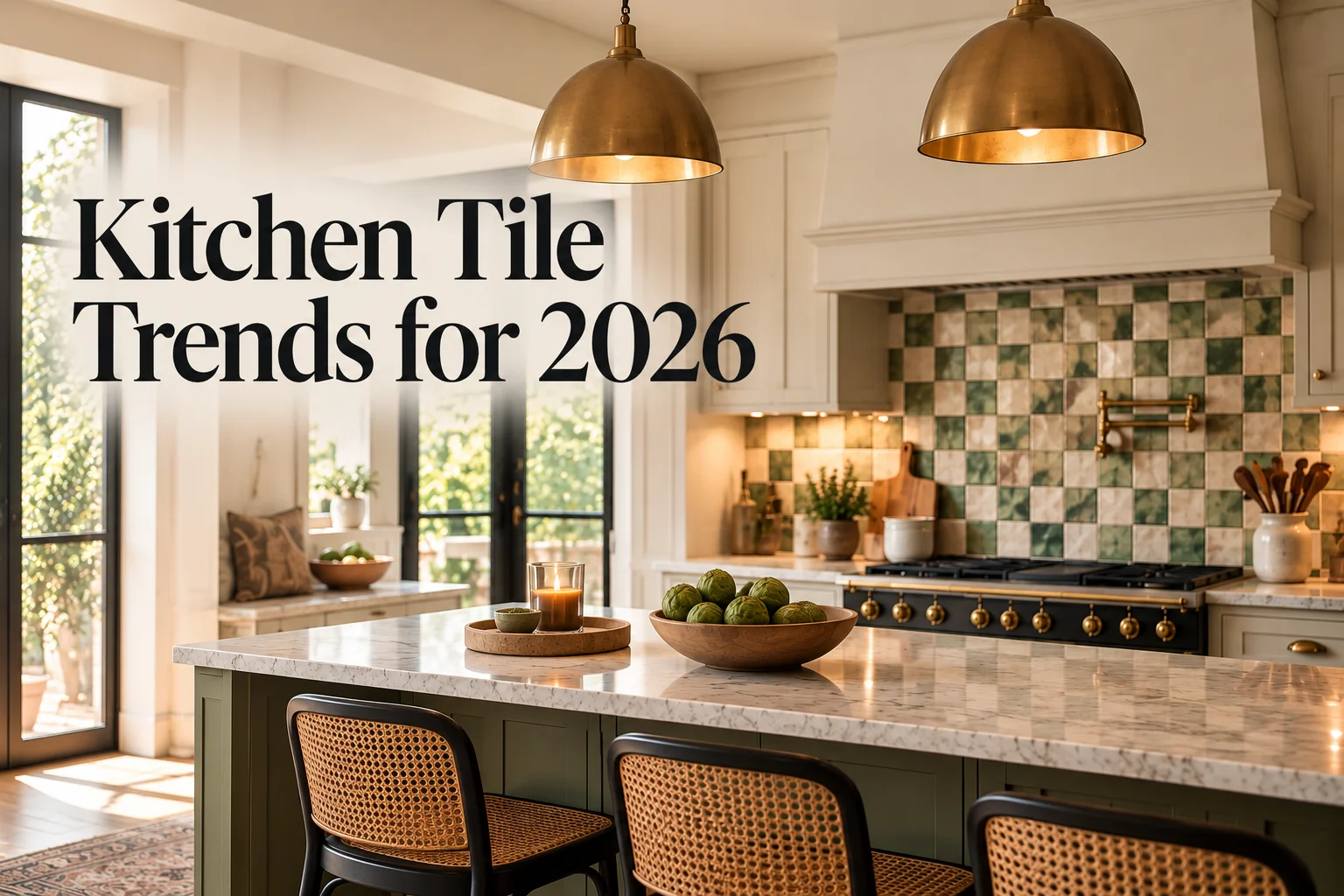
Looking for a kitchen update that makes a difference? Discover kitchen tile trends 2026, with ideas for stylish backsplashes, statement…

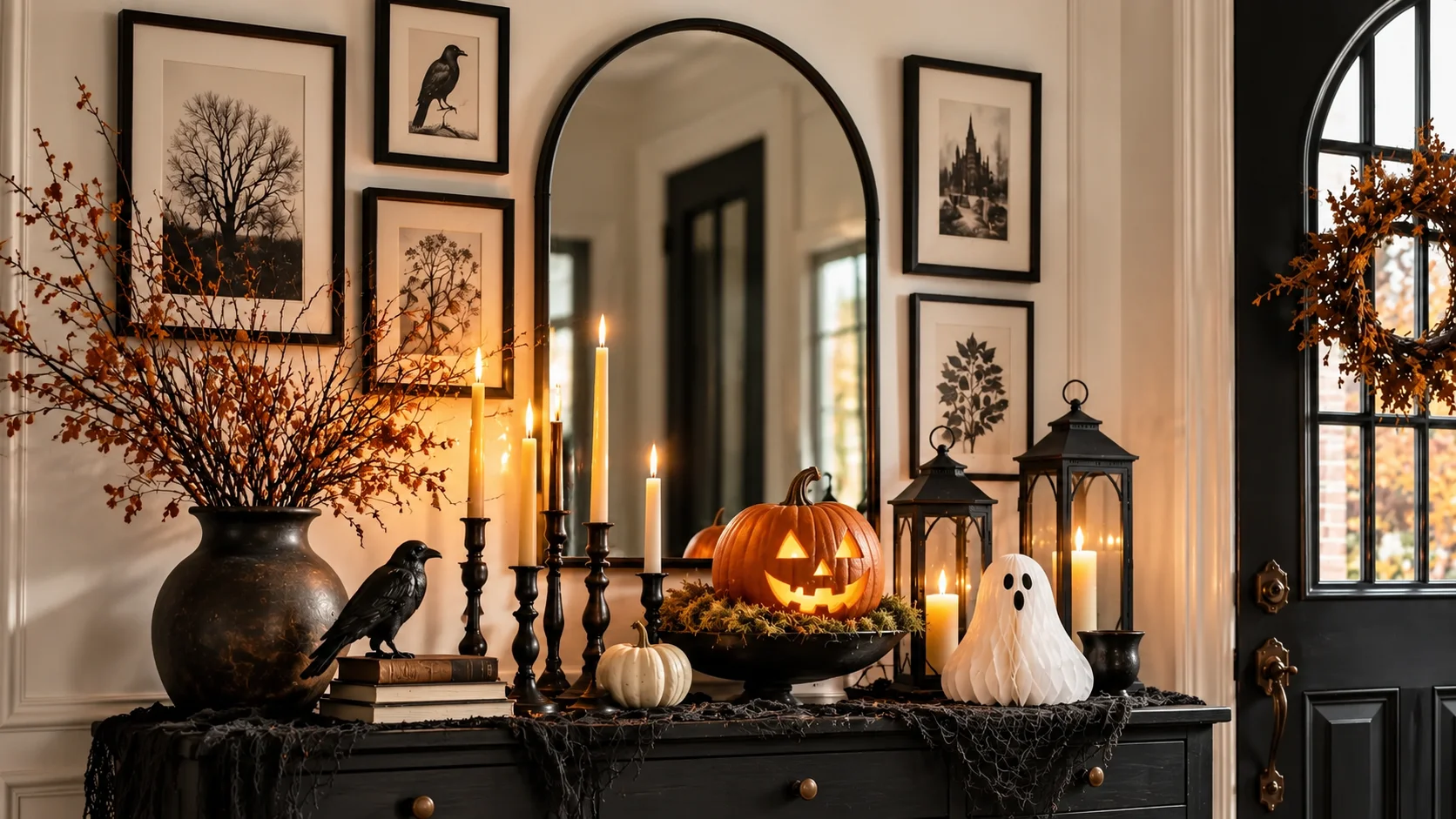
The best Halloween decoration ideas don’t need plastic skeletons or a big budget. Here’s how to build a spooky, stylish…
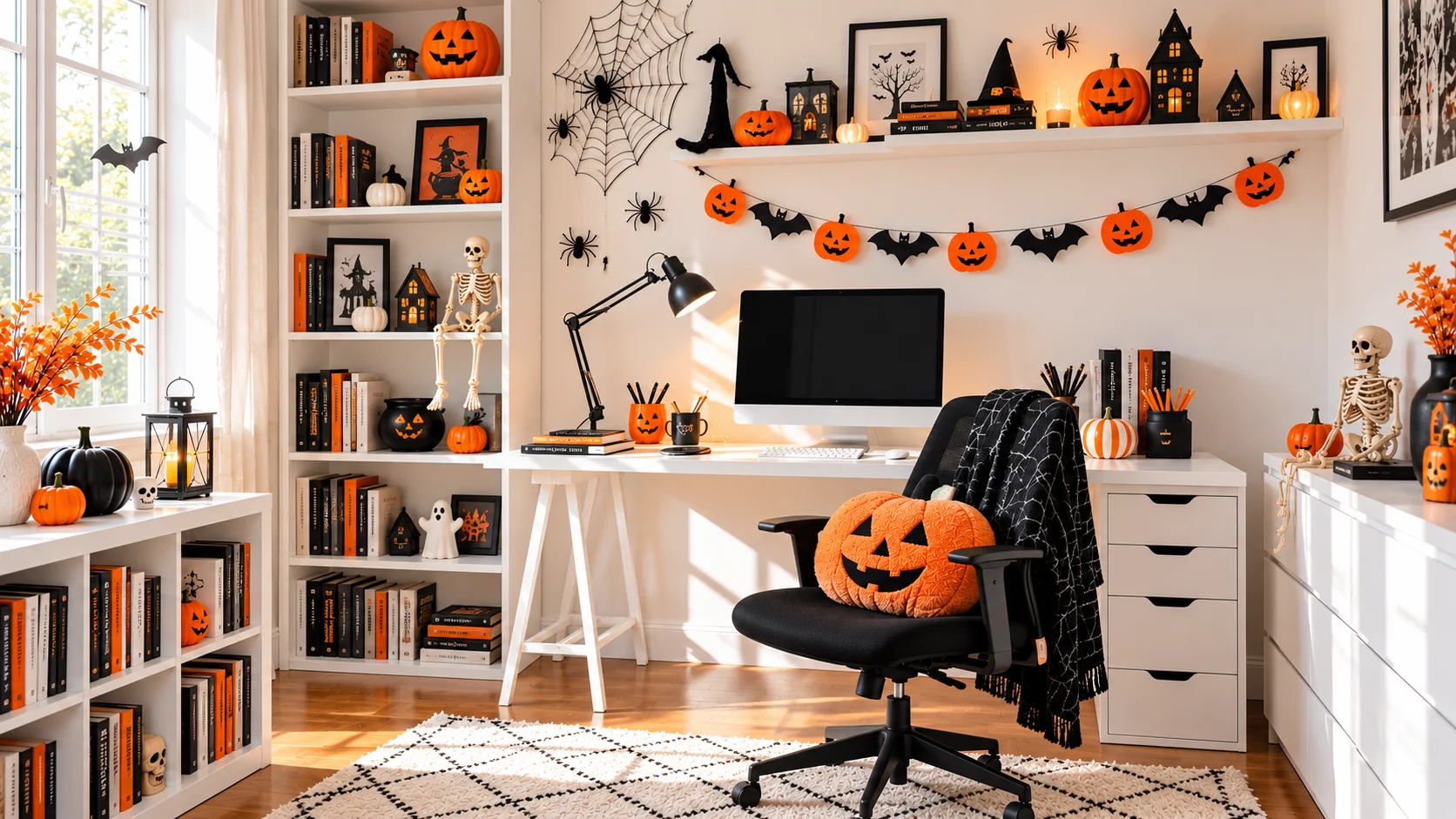
Most Halloween decor guides forget the one room you’re actually sitting in every day. Here are Halloween home office decor…
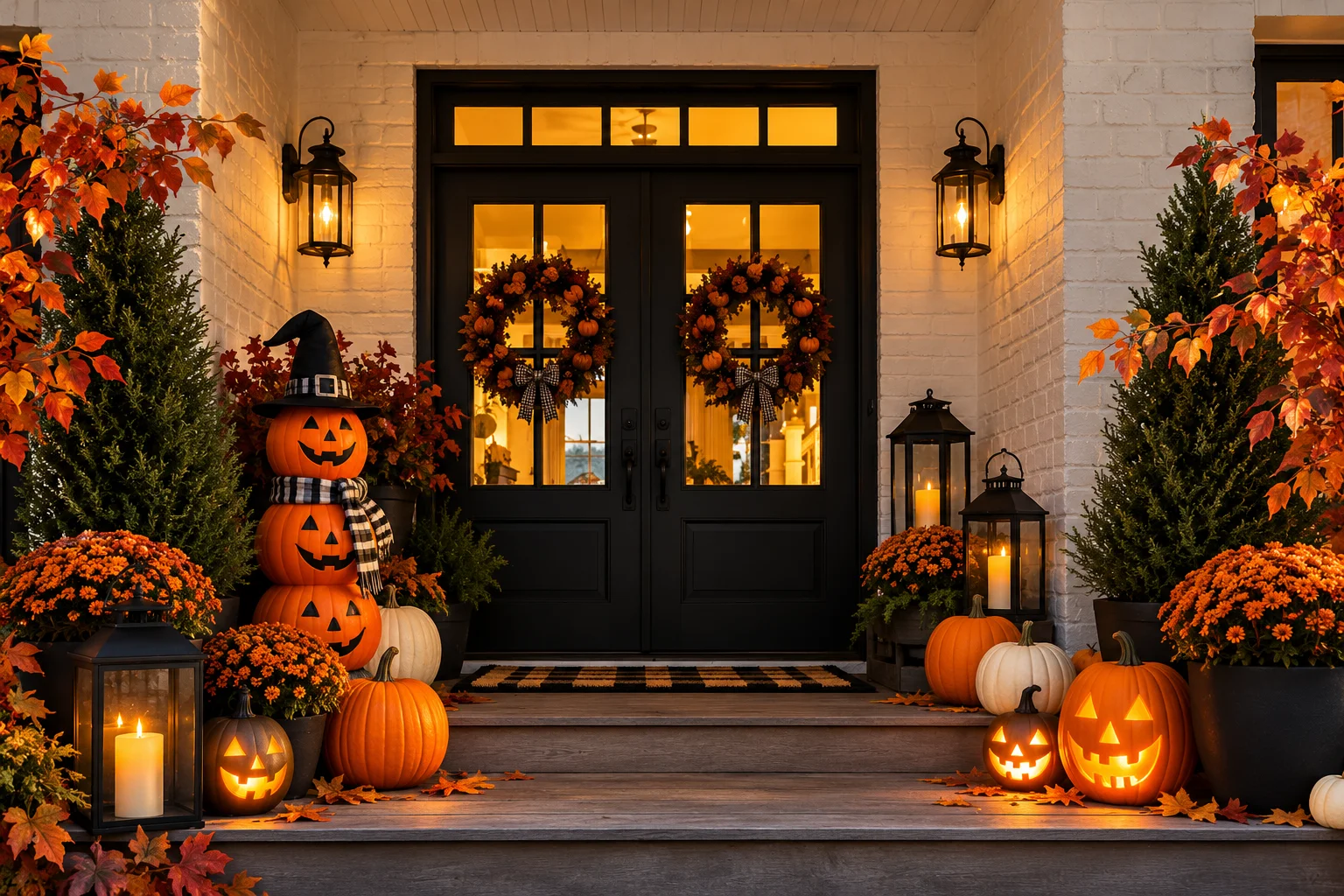
Halloween porch decor sets the mood before anyone knocks. Here are easy, spooky ideas to make your porch the one…
Midcentury modern kitchen style never really went away. Here are simple midcentury modern kitchen ideas for color, wood, tile and…
Backyard wedding decor is quietly outshining venue weddings in 2026 — more intimate, more personal, and a fraction of the…
Not necessarily. Most designers keep the mirror the same width as the vanity or slightly narrower, though full wall mirrors are a deliberate exception in small bathrooms.
A common approach is to leave a small gap, roughly a few inches, between the top of the taps and the bottom of the mirror, then centre the mirror on the basin rather than the wall.
No, and they are actually becoming more popular again because they offer hidden storage without taking up extra floor or counter space.
Only if your current lighting is genuinely poor. If your bathroom already has good light near the mirror, a backlit version is a nice extra rather than a necessary upgrade.
No. Matching everything can look tidy, but mixing finishes, such as a wooden frame against chrome or black taps, often looks more considered.
A full wall or oversized mirror tends to work best in small bathrooms because it reflects the most light, but a plain rectangular mirror is a safe, timeless second choice.