Address
304 North Cardinal
St. Dorchester Center, MA 02124
Work Hours
Monday to Friday: 7AM - 7PM
Weekend: 10AM - 5PM
Address
304 North Cardinal
St. Dorchester Center, MA 02124
Work Hours
Monday to Friday: 7AM - 7PM
Weekend: 10AM - 5PM


A few years ago, I thought sustainable living belonged to a completely different kind of person. Someone who made their own soap, grew vegetables in the backyard, and owned nothing but mason jars and beige linen curtains. It felt intimidating and honestly a little unrealistic for everyday life.
But over time, my understanding changed. I realized a sustainable lifestyle is not about perfection. It is about paying closer attention to the things we bring into our homes and the habits we create around them. It is about choosing pieces that last, surrounding ourselves with objects that feel meaningful, and creating spaces that support a calmer way of living.
What surprised me most was how naturally sustainable living connected with home decor. The more intentional my choices became, the more comfortable and personal my home started to feel.
Home is where most of our daily routines happen. It shapes how we rest, cook, work, and connect with family. That is why even small decorating decisions can influence a more mindful lifestyle.
I noticed this after replacing a cheaply made coffee table that had started wobbling within a year. Instead of buying another trendy piece online, I found a solid vintage wooden table at a local weekend market. It had scratches and uneven edges, but somehow it made the entire room feel warmer.
That experience changed the way I shop for decor now. Instead of chasing trends every season, I look for pieces that tell a story or feel timeless enough to stay with me for years. A sustainable lifestyle often begins with slowing down the urge to constantly replace things.
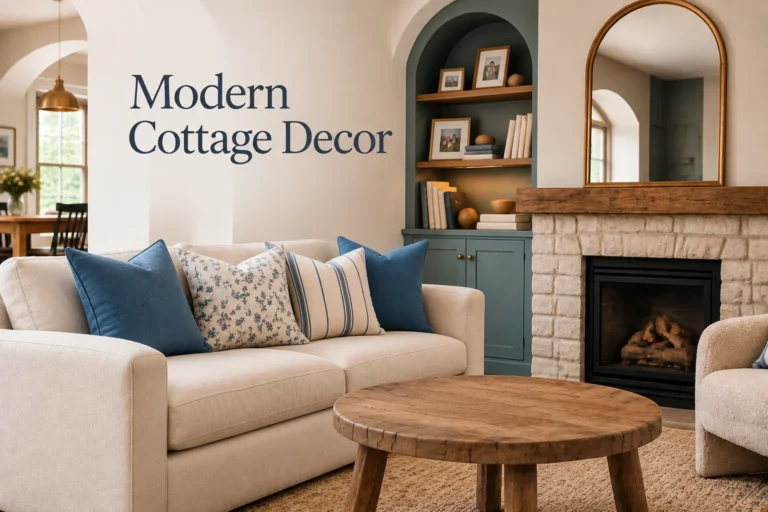
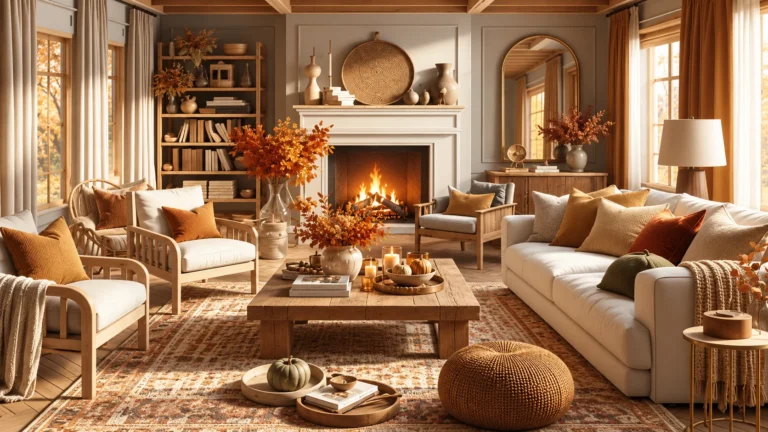
There is something comforting about natural textures inside a home. Linen curtains move softly with the breeze. Wooden furniture carries warmth that synthetic finishes often lack. Handmade ceramic bowls feel more personal than factory perfect pieces.
When I first switched from polyester cushion covers to cotton and linen fabrics, I noticed my living room immediately felt softer and calmer. Even guests commented on how cozy the space seemed without knowing exactly why.
Natural materials are not only beautiful but often more durable over time. Materials like bamboo, reclaimed wood, jute, rattan, wool, and organic cotton can support eco conscious living while adding depth and character to a space. For anyone trying to create sustainable home ideas without sacrificing style, focusing on texture is a good place to begin.
One of the biggest shifts in my own home happened when I stopped treating decorating as a race to fill empty corners. There was a period when I constantly bought small decor items because social media made every room look incomplete without shelves packed with accessories. Eventually, my home started feeling crowded instead of peaceful. Sustainable living taught me that empty space can actually feel beautiful.
Now I take longer before purchasing something new. I ask myself if I genuinely love it or if I am simply reacting to a trend. Most of the time, waiting a few days helps me realize I did not need it at all. Mindful consumption does not make a home boring. It makes every object feel more intentional.
Some of the most loved pieces in my home are secondhand. A slightly faded mirror from an antique shop. A wooden chair with worn corners. A small brass lamp that reminds me of my grandmother’s house. These pieces carry a sense of history that newer decor sometimes struggles to replicate.
Shopping secondhand also reduces waste and encourages a more thoughtful relationship with decorating. It shifts the focus away from fast consumption and toward appreciation. For people living in apartments or smaller urban homes, vintage shopping can also be surprisingly practical. Older furniture is often built more solidly and designed to last.
The beauty of a sustainable lifestyle is that it does not demand a perfectly curated aesthetic. It allows homes to feel connected slowly over time.
I used to underestimate how much lighting affected the feeling of a room. After replacing harsh white bulbs with warm energy-efficient LED lighting, evenings at home started feeling noticeably calmer. The room looked softer, conversations felt more relaxed, and even reading before bed became more enjoyable.
Energy conscious lighting choices are one of the easiest ways to support sustainable living without making dramatic changes.
Simple habits help too:
A cozy home often depends more on atmosphere than expensive decor.
I never considered myself good with plants. In fact, I killed several before finally learning how little care some varieties actually need. Now a few simple plants sit near my windows, kitchen shelves, and entryway. They quietly changed the energy of my home.
Plants soften empty spaces and create a stronger connection with nature, especially for people living in busy cities or apartments. They also encourage routine. Watering a plant every few days becomes a small reminder to slow down and pay attention. That is what sustainable living often looks like in real life. Not dramatic lifestyle overhauls, but small habits that gently reconnect us with our environment.
One thing I appreciate most about sustainable decor is how personal it feels. Homes become more meaningful when they are not designed around constant trend cycles. A handmade vase picked up during travel, a thrifted bookshelf repaired over time, or soft linen bedding chosen for comfort rather than appearance all contribute to a home that reflects real life.
A sustainable lifestyle is not about creating a perfect eco-friendly image. It is about building spaces that feel lived in, calming, and honest. People often assume ethical home decor means sacrificing beauty or comfort. In reality, many sustainable choices create exactly the opposite effect. They add warmth, texture, and emotional connection.
Sustainable living does not begin with massive lifestyle changes. Most of the time, it starts quietly. It begins with choosing quality over quantity and repairing something rather than replacing it, bringing home fewer items that matter more. Letting your home evolve naturally rather than trying to keep up with every passing trend.
The most inviting homes rarely feel rushed or overly polished. The homes following sustainable living trends feel thoughtful, layered, and comfortable. That is the beauty of creating a sustainable lifestyle through home decor. Your space becomes more than just visually appealing. It starts supporting the kind of life you actually want to live every day. Natural textures do more than support sustainable living. They also help create the light, relaxed atmosphere many homeowners are looking for when refreshing their spaces during the warmer months
Sustainable living means making conscious choices that reduce waste, conserve resources, and create a healthier living environment. In a modern home, this can include choosing durable furniture, decorating with natural materials, using energy-efficient lighting, and buying fewer but higher-quality items.
Simple changes can make a big difference. Shopping secondhand, repurposing existing furniture, choosing reusable household items, and investing in long-lasting decor pieces are affordable ways to create a more sustainable home while reducing unnecessary consumption.
Popular sustainable materials include reclaimed wood, bamboo, rattan, jute, linen, organic cotton, cork, and handmade ceramics. These materials are valued for their durability, natural beauty, and ability to add warmth and texture to modern interiors.
Many homeowners are moving away from fast-changing trends and focusing on quality, craftsmanship, and longevity. Sustainable decor allows people to create stylish spaces that feel personal while reducing waste and avoiding frequent replacements.
Absolutely. Sustainable design is no longer limited to rustic or eco-focused interiors. Modern sustainable homes combine clean lines, natural materials, thoughtful color palettes, and timeless furniture to create spaces that are both environmentally conscious and visually appealing.