Address
304 North Cardinal
St. Dorchester Center, MA 02124
Work Hours
Monday to Friday: 7AM - 7PM
Weekend: 10AM - 5PM
Address
304 North Cardinal
St. Dorchester Center, MA 02124
Work Hours
Monday to Friday: 7AM - 7PM
Weekend: 10AM - 5PM

No spare room? No problem. These small home office ideas for apartments and tiny spaces will help you build a workspace that feels intentional, keeps you focused, and fits beautifully into your home.
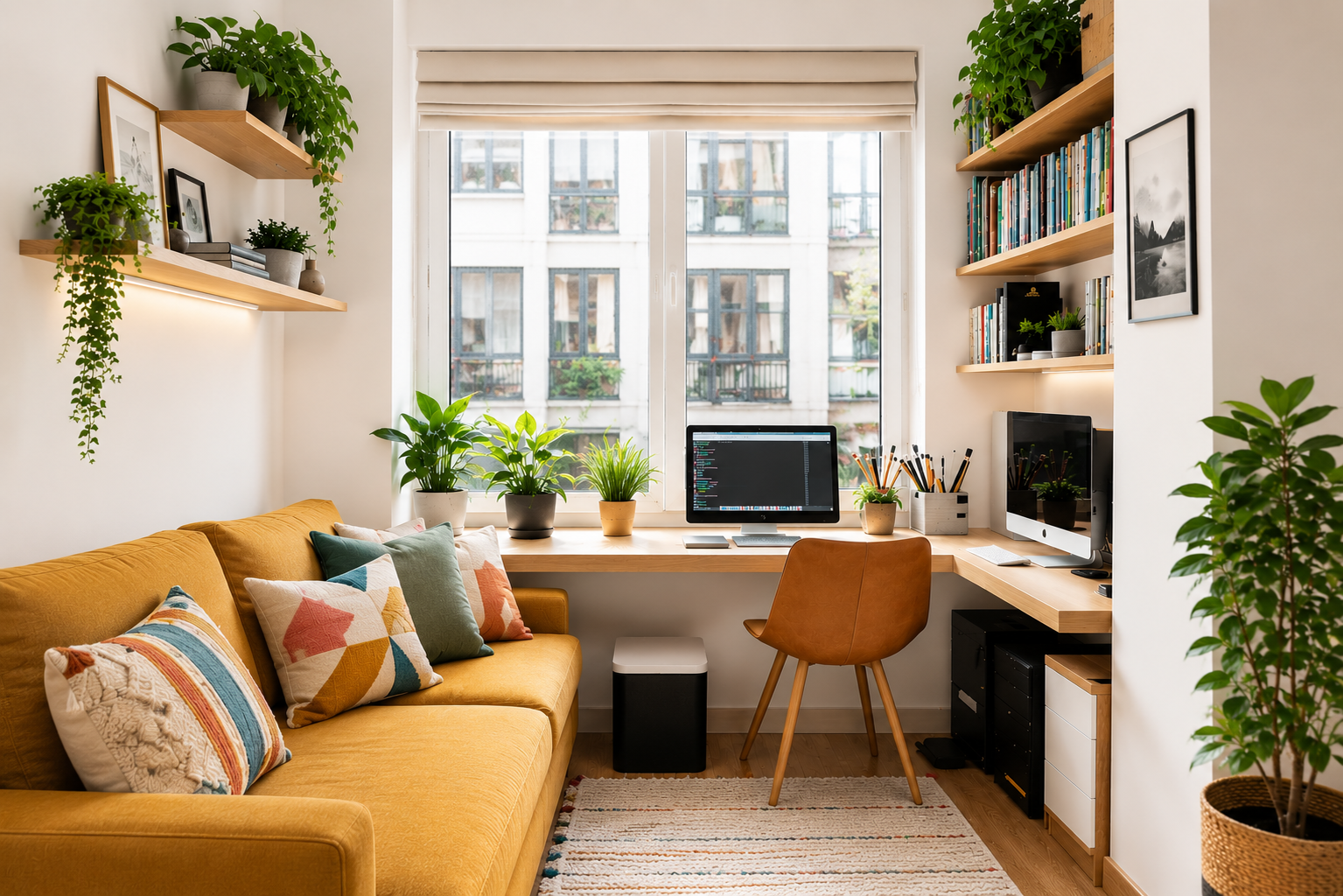
Picture this. You wake up, make coffee, open your laptop at the kitchen table, and spend the next eight hours working next to yesterday’s dishes and your housemate’s cereal boxes. Sound familiar? For a lot of remote workers, this is still daily life because setting up a proper workspace in a small apartment feels like a problem without a solution.
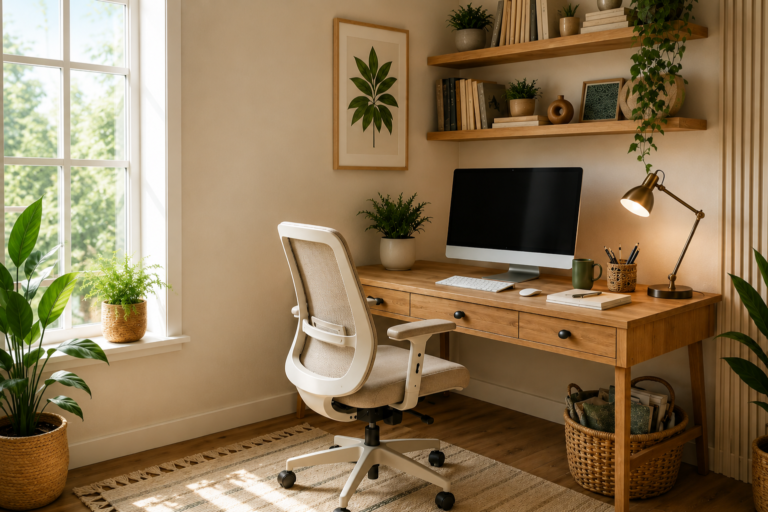
But here is the truth: you do not need a spare bedroom or a big house to have a home office that works. What you need is a plan. Small home office ideas have come a long way in 2026, and the right approach can turn a corner, a closet, or even a slice of your living room wall into a workspace that feels calm, organized, and genuinely yours.
This guide covers everything, from the minimum dimensions you need to the exact furniture that fits tight spaces, plus real budget numbers so you know what to expect before you spend anything.
Remote work is not going away. According to data from Breeze.pm, approximately 27% of full-time employees worldwide now work fully remotely in 2026, while an additional 52% are in hybrid arrangements. The BLS reports that 22.6% of all U.S. employees work remotely at least part of the time as of March 2026, which translates to over 35 million people. Small home office ideas can help you create a productive workspace even in the smallest apartment or room.
Hybrid work has become the default for most knowledge workers. Robert Half found that 55% of job seekers rank hybrid work as their top preference, and 29% say they would leave a job if it required them to be in-person full time. That kind of commitment to flexible work means millions of people are living in apartments and smaller homes while running full professional lives from inside them. With the right furniture and smart storage solutions, small home office ideas can maximize both comfort and functionality.
The challenge is that apartments were not designed with dedicated office space in mind. You are working with shared rooms, thin walls, limited square footage, and furniture that needs to do double duty. Small home office ideas that solve these specific problems have become one of the most searched topics in interior design, and for good reason.
This section gives you the measurements you actually need before buying a single piece of furniture. A lot of people skip this step and end up with a desk that blocks a door or a chair that cannot push back without hitting a wall.
| Workspace Type | Minimum Size |
|---|---|
| Desk nook (laptop only) | 4 ft x 3 ft |
| Corner office setup | 5 ft x 5 ft |
| Dedicated small office room | 6 ft x 8 ft |
Even a 4 by 3 foot space is enough for a floating desk and a compact chair. The key is keeping the area around it clear so it does not feel cramped when you sit down.
| Desk Type | Width |
|---|---|
| Compact desk | 30 to 40 inches |
| Standard desk | 48 inches |
| Executive or L-shaped desk | 60 inches or more |
For most apartments, a 40-inch wide desk is the sweet spot. Wide enough to hold a monitor and a few things, small enough to fit without eating the whole room.
| Area | Recommended Space |
|---|---|
| Behind the chair (to pull out) | 36 inches |
| Side clearance | 24 inches |
Measure this before you set anything up. Many people discover too late that the chair works fine until they try to stand up.
Corners are the most wasted space in any apartment. A compact corner desk or even a simple floating shelf mounted at desk height can turn dead space into a proper workstation. Pull the chair in, face the wall, and the rest of the room stays completely open.
Floating shelves do two things at once. They give you storage without taking up floor space, and they make a wall look purposeful. According to Small Barndo’s 2026 guide on small home office ideas, floating desks and shelves help maintain the visual floor space of a room, making the whole area feel larger than it actually is.
A wall-mounted or floating desk has no legs, which means the floor underneath stays visible. That visual openness makes a small room feel bigger. Look for one with a shelf above it so you are not fighting for surface space.
In a small space, the wall above your desk is as valuable as the desk itself. Pegboards, wall grids, and stacked shelving units let you store things vertically instead of sideways. This keeps your desk surface clear and your storage functional without needing more floor space.
A rolling cart beside your desk gives you storage that moves. When work is done for the day, roll it into a corner or a closet. It costs $30 to $80 and makes a bigger difference than most people expect.
A fold-down wall desk opens when you need it and flattens against the wall when you do not. This is the best option for studio apartments or anyone sharing a room. Prices start around $100 and go up to $400 for solid wood versions with built-in storage.
A desk at the end of your bed, between your wardrobe and a wall, or tucked into the space beside a window can function perfectly as a home office. The trick is using a rug and a dedicated lamp to visually mark the work area as separate from the rest of the bedroom. As Povison’s 2026 home office guide points out, a rug and focused lamp can signal “work mode” even inside a shared room.
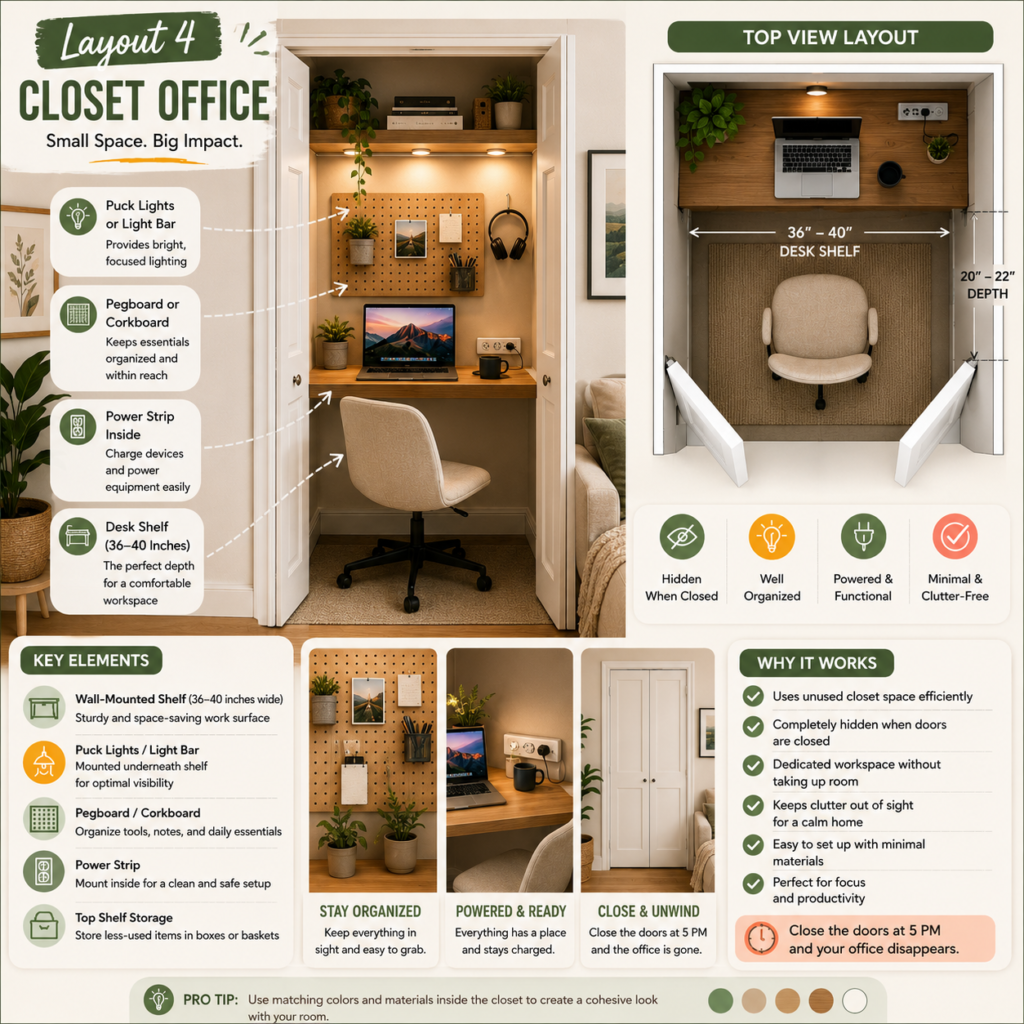
This one surprises people, but a reach-in closet can become one of the most private and focused small home office setups you can create. Remove the hanging rod, add a desk surface at the right height, install LED lighting inside, and add a shelf or two above. Close the doors at the end of the day and the office disappears completely.
According to a 2026 home office ideas guide from Small Barndo, closet offices need at least 500 to 700 lumens of light since there is no natural source. A monitor light bar combined with LED puck lights overhead handles that well.
A large mirror on the wall beside or behind your desk reflects light and makes the room look wider. It costs $40 to $150 for a decent wall mirror and gives the impression of a much larger workspace without changing anything structurally.
Dark walls absorb light and make a small room feel smaller. Light colors, especially warm whites, soft beige, and sage green, bounce light around and open the space up visually. Decorilla’s 2026 home office trends guide notes that pastels like powder blue and dusty rose are becoming popular in workspaces because their muted intensity supports extended focus without feeling clinical.
A single overhead bulb is the fastest way to make a workspace feel flat and tiring. Layer in a desk lamp for task light and a small accent light in the corner or behind the monitor. Modern Home Builder’s 2026 home office guide confirms that layered lighting improves mood and reduces eye strain significantly, and it makes a small space feel more intentional.
One or two small plants on your desk or on a shelf above it bring life and calm into a space that can otherwise feel sterile. Snake plants, pothos, and ZZ plants are reliable choices that survive low light and occasional missed watering. According to Modern Home Builder’s 2026 home office report, these natural elements have been linked to reduced stress and better focus in workspace environments.
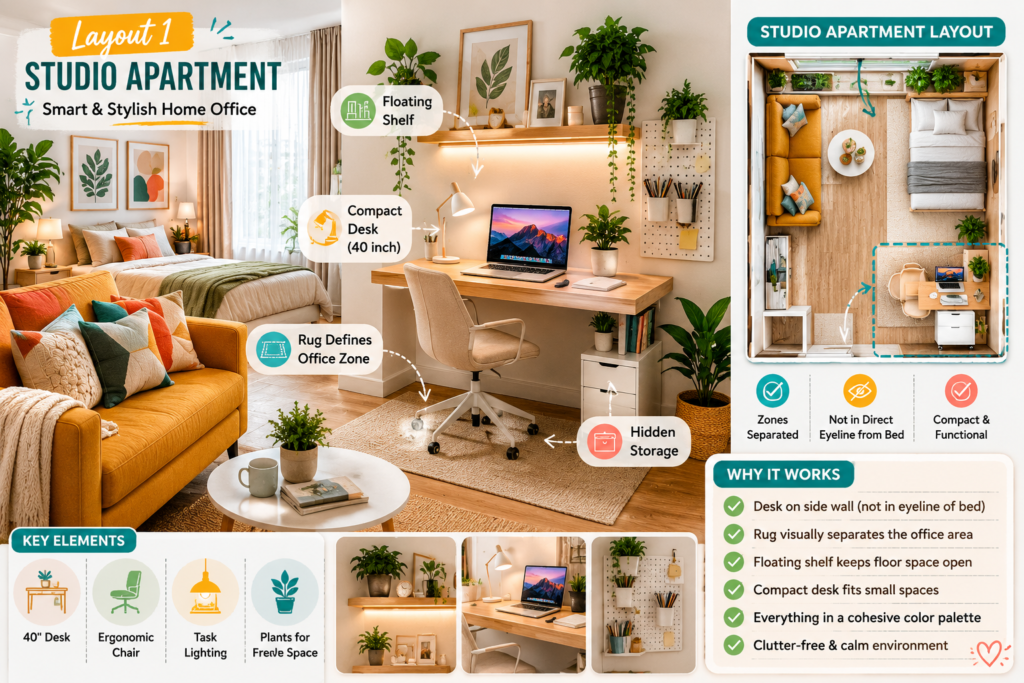
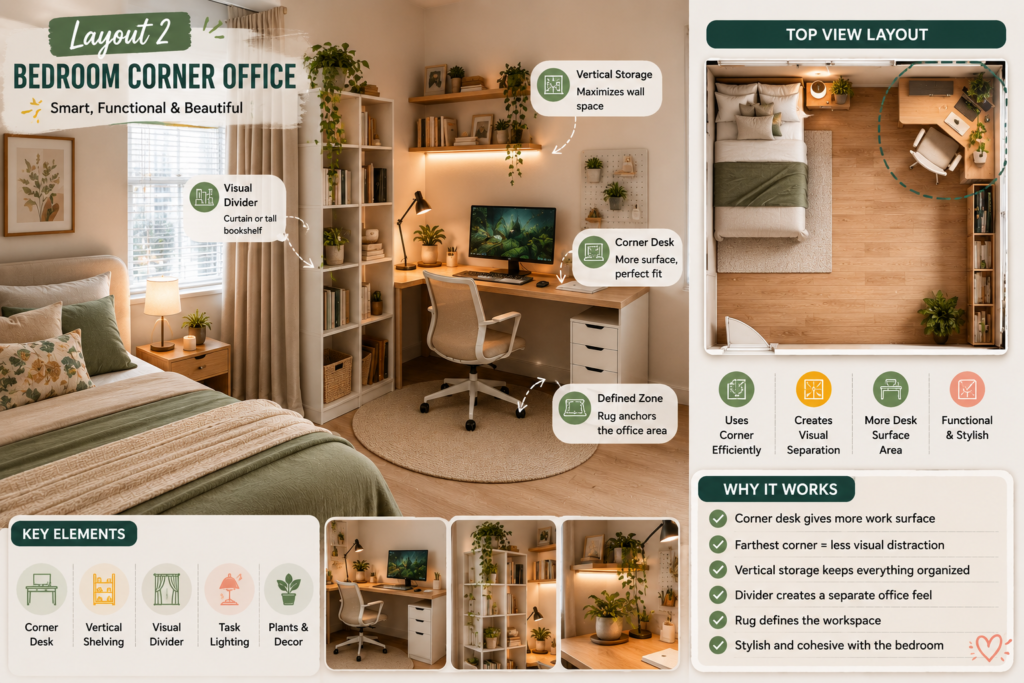
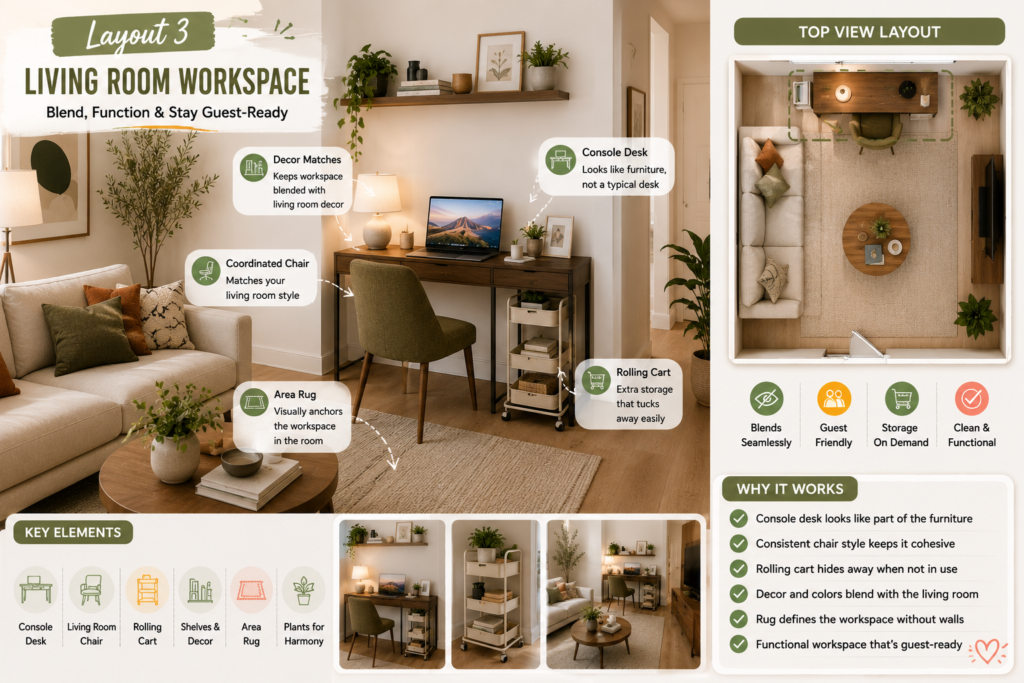
Floating desk: No legs, minimal footprint, keeps the floor visible. Best for very tight spaces or anyone who wants the desk to visually disappear when not in use.
Ladder desk: A desk surface with built-in shelving that leans against the wall. Gives you storage and workspace in one piece. Good for bedroom offices.
Corner desk: Takes up dead corner space and gives you a larger work surface than a straight desk of the same size.
Fold-down desk: Mounts to the wall and folds flat. Best option for studios and spaces that need to serve multiple purposes throughout the day.
Armless chairs: Take up less visual space and slide fully under the desk when not in use. Good for very tight corners.
Compact ergonomic chairs: Smaller seat depth and narrower profile than standard office chairs. Worth spending $200 to $350 for one that still supports your back properly.
Transparent acrylic chairs: These do not visually compete with anything in the room. The space reads as open even with the chair present.
Wall shelves: The most space-efficient storage option. A set of three floating shelves costs $30 to $150.
Under-desk file cabinets: A slim two-drawer unit on wheels fits under most desks and keeps paperwork contained.
Storage ottomans: Double as seating or a footrest and hold office supplies, cables, or files inside. Costs $50 to $150.
Too much furniture. In a small space, one desk and one chair is often the right amount. Adding a second chair, a large bookcase, and a filing cabinet turns a functional nook into an obstacle course. Buy what you need and stop there.
Poor lighting. Working under a single overhead bulb causes eye strain and makes the space feel depressing by mid-afternoon. A $40 desk lamp changes everything.
Ignoring storage. A desk covered in loose papers, cables, and random objects makes it almost impossible to focus. Before buying decor, solve storage. Shelves, cable clips, and a small organizer cost very little and matter enormously.
Using dark colors. Deep colors work well in large rooms but shrink small ones. Save the moody tones for an accent wall and keep the main surfaces light.
No cable management. Visible cable tangles make even an expensive setup look messy. An under-desk cable tray costs around $45 and takes twenty minutes to install.
A basic floating desk ($80 to $120), a simple chair ($80 to $150), and a desk lamp ($25 to $40). This is the starting point. It works, it is comfortable enough for short sessions, and it can be upgraded over time.
A better desk ($150 to $250), a proper ergonomic chair ($200 to $350), layered lighting ($60 to $100), a small shelf or rolling cart ($50 to $80), and some basic decor. This is where most remote workers land and where you start to notice a real difference in daily comfort and focus.
A fold-down or solid wood wall-mounted desk ($300 to $600), a premium compact ergonomic chair ($350 to $700), proper lighting ($100 to $200), built-in or custom shelving ($300 to $800), and quality decor. At this level, the workspace looks and feels genuinely designed, not assembled from whatever was available.
Midiminimalism. Not quite minimalism, not quite maximalism. Just the right amount of things, chosen carefully. This is the design direction that works best in small spaces because every item has to justify its presence. Many homeowners use small home office ideas to transform unused corners into efficient workspaces.
Natural materials. Wooden desks, rattan organizers, linen desk pads, and bamboo shelving are all showing up in small home offices in 2026. According to Rosiinc’s 2026 home office design guide, using wooden elements in a workspace increases the sense of calm and reduces visual fatigue over long workdays. Budget-friendly small home office ideas allow you to design a stylish and organized office without spending a fortune.
Warm neutrals. Sage green, warm beige, soft terracotta, and dusty rose are replacing the cold whites and grey laminates that dominated the last few years. These tones are easier to work around all day and photograph better on video calls.
Biophilic design. Plants, natural light, wood textures, and stone-look accessories. As Modern Home Builder’s 2026 home office report confirms, these elements are now considered productivity tools as much as aesthetic choices.
Multi-functional furniture. A desk that folds away. A storage ottoman that becomes a guest seat. A bookshelf that divides a room while storing things. In small apartments, furniture that does two jobs is not just clever, it is necessary. The best small home office ideas focus on saving space while maintaining a professional and inspiring work environment.
A small space is not a limitation. It is a design constraint, and good design has always thrived within constraints. Creative small home office ideas make it possible to work efficiently from home without sacrificing valuable living space.
The small home office ideas in this guide all work because they respect the reality of apartment living. They do not ask you to sacrifice your living room or knock down walls. They ask you to be intentional: about what you put in the space, how much of it you need, and how you arrange it so your brain knows when it is time to work and when it is time to stop.
Lighting, storage, and layout matter more than square footage. Get those three things right and the size of the room becomes almost irrelevant. You will be surprised how focused and settled you feel sitting down at a proper, well-lit, organized workspace, even if it is tucked into a corner or hidden behind closet doors.
Start small. Set it up. Work in it for a week. Then improve the one thing that bothers you most. That process, repeated a few times, gets you to a workspace you actually enjoy showing up to every morning. Whether you work remotely or occasionally from home, these small home office ideas can help you build a comfortable and clutter-free workspace.
Most functional home offices require approximately 12–20 square feet, depending on furniture and storage needs.
Use unused corners, wall-mounted desks, floating shelves, and vertical storage to maximize available space.
Floating desks, fold-down desks, and compact corner desks are ideal for small home office spaces.
A basic setup can cost between $150 and $300, while a premium setup may exceed $2,000 depending on furniture and accessories.
Light neutrals, warm beige, soft gray, sage green, and dusty blue help small workspaces feel larger and more inviting.
For more home decor ideas and workspace inspiration, visit The Decor Dash.