Address
304 North Cardinal
St. Dorchester Center, MA 02124
Work Hours
Monday to Friday: 7AM - 7PM
Weekend: 10AM - 5PM
Address
304 North Cardinal
St. Dorchester Center, MA 02124
Work Hours
Monday to Friday: 7AM - 7PM
Weekend: 10AM - 5PM

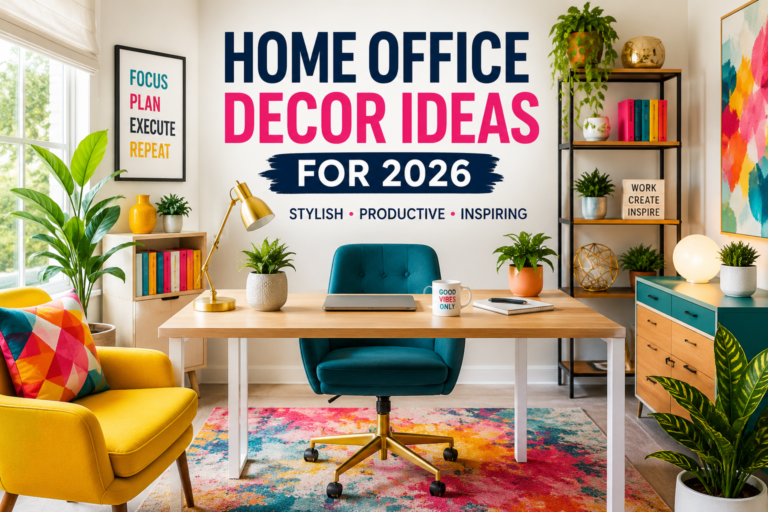
These home office ideas focus on what actually matters when you work from home: a comfortable desk setup, good lighting, practical storage, fewer cables, and a workspace that helps you focus. Whether you have a full room or a small corner, these ideas will help you create a home office that looks good and works better.
Working from home has changed what we expect from a home office. It is no longer the room where old paperwork, a printer, and an unused desk end up. For many people, it is now a place where several hours of the day are spent working, joining meetings, writing, designing, planning, or running a business.
That shift is changing home office design too. A beautiful desk and chair are not enough if the light causes screen glare, cables cover the floor, or you have nowhere to put work supplies.
The best home office ideas in 2026 are much more practical. These practical home office ideas start with how you actually work and then build the room around that routine.
Many interior designers are increasingly treating the home office decor as an important living space and planning it around productivity, comfort, organization, video meetings, and personality instead of simply finding somewhere to put a desk.
Before choosing wallpaper, shelves, or even a desk, think about what happens during your normal workday and which home office ideas will actually support your routine.
Do you spend most of your time on a laptop? Do you use two monitors? Do you regularly have video calls? Do you spread documents across the table? Do you need somewhere away from the screen to read? These questions can help you explore practical workspace ideas that fit the way you work.
One of the smartest changes in modern workspace design is thinking in zones instead of treating the entire home office as one desk area. Among today’s most practical home office ideas, creating dedicated areas for different tasks can make the room feel more organized and functional.
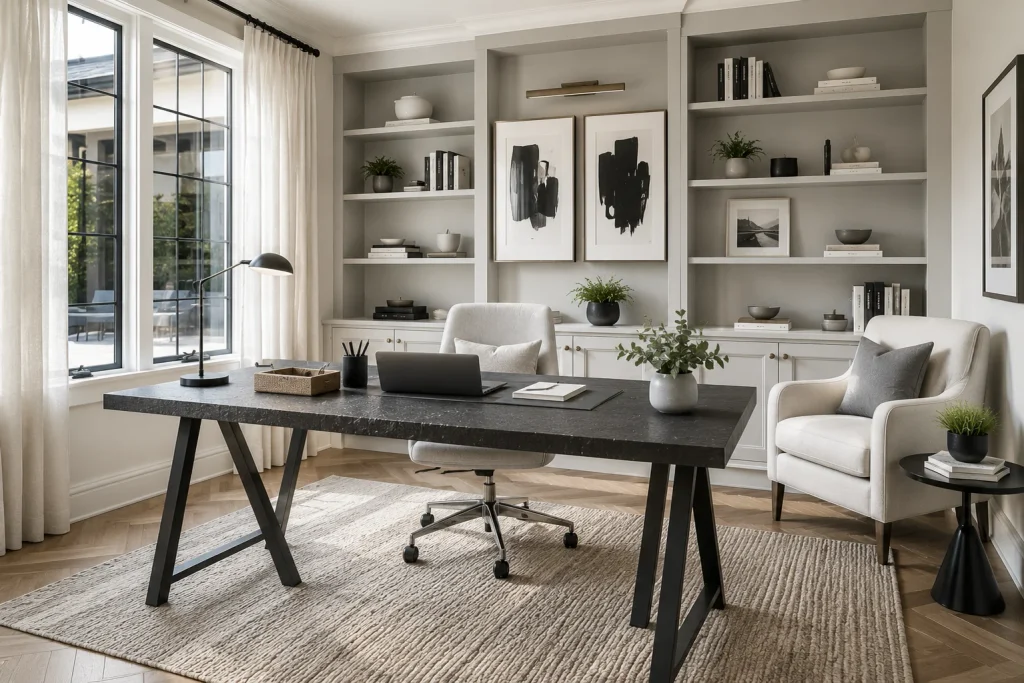
Your main work zone might contain your computer and desk chair. A second corner can hold a comfortable chair for reading or phone calls. Someone working in a creative field may need another surface for sketching, samples, notebooks, or other materials. These flexible workspace ideas can make a significant difference in how efficiently you use the room.
This home office decor idea comes directly from how designers are approaching current home offices. Many experienced interior designers recommend creating separate zones for computer work, thinking, reading, or creative tasks when the room allows it.
Even a small home office can use this principle for a better home appearance overall. The zones do not need walls between them. A rug, lamp, shelving unit, or change in furniture position can be enough to make each area feel intentional. Thoughtful home office decor, combined with simple home office ideas and creative workspace ideas, can turn even a limited space into a more purposeful place to work.
Your desk controls more of the room than you might think, which is why thoughtful home office ideas often start with choosing the right desk position.
It affects natural light, walking space, outlets, storage, screen glare, and even what other people see behind you during video meetings.
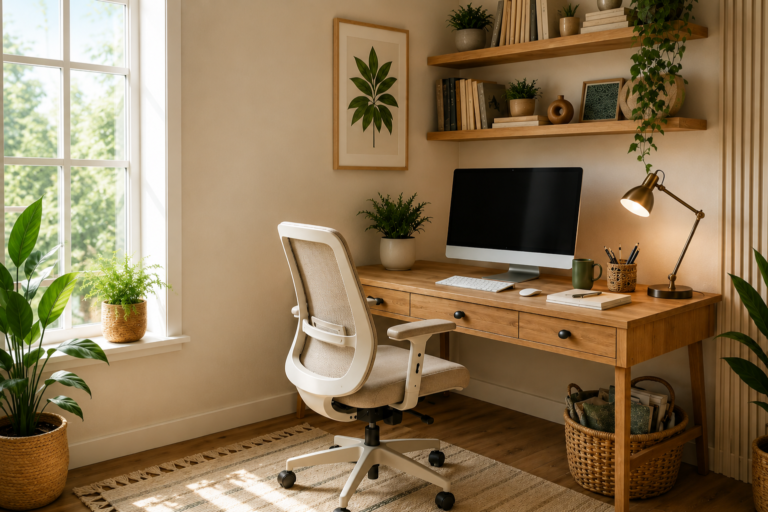
If possible, position the desk where daylight reaches you from the front or side. Sitting with a very bright window directly behind you can turn your face into a shadow on camera. Facing strong daylight directly can also create uncomfortable screen glare.
Current home office decor planning guides recommend using side daylight when possible and controlling stronger sunlight with blinds or sheer curtains rather than blocking natural light completely. These practical workspace decor ideas can improve both comfort and the overall appearance of your setup.
There is also no rule saying your desk has to face a wall. Some of the most effective home office ideas involve placing the desk strategically within the room rather than simply pushing it against the nearest wall.
If you have enough floor space, turning the desk into the room can make the setup feel more established and less like furniture pushed into whatever corner happened to be available.
In a small home office, however, a shallow wall desk often makes more sense. It keeps the walking path clear and leaves room for shelves or storage above. Smart workspace decor ideas can help make even a compact workspace feel functional and intentional.
Home office lighting ideas should start with natural light, but they should not end there. One bright ceiling fixture rarely works well for an entire workday.
Instead, layer the lighting. Use daylight during the day, an adjustable task light at the desk, and softer ambient light elsewhere in the room. A small lamp on shelving or a wall light can also soften the room during evening work. These home office ideas can help create a more comfortable and functional workspace.
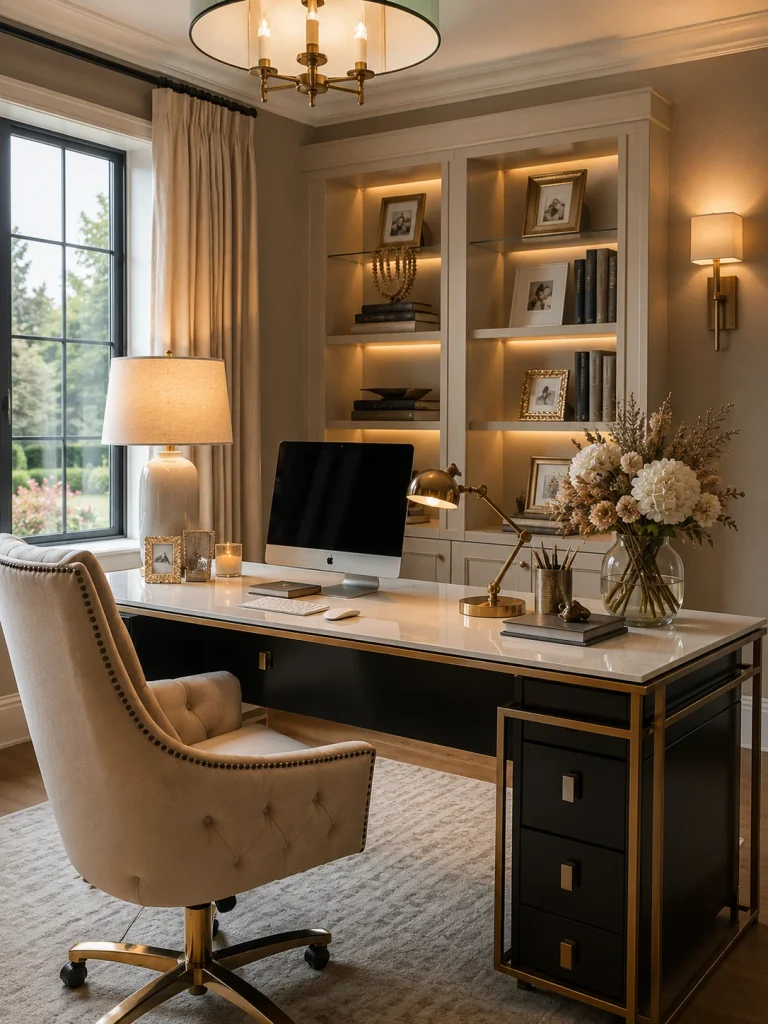
Current small office guidance recommends combining side daylight, task lighting, and ambient light while avoiding bright lamps or windows that reflect directly onto the monitor.
Good home office lighting also matters on video calls. Your face should ideally be brighter than the background, without harsh light coming straight down from the ceiling. Thoughtful home office ideas should always consider how lighting supports both productivity and comfort.
If the office doubles as a bedroom or living room, adjustable lighting becomes even more useful because you can change the mood once work is finished.
Most home office clutter is not actually caused by having too much stuff. It is caused by having nowhere specific to put it. Paper gets left beside the keyboard. Chargers collect on the desk. The printer sits wherever there is an outlet. Pens, notebooks, documents, and cables slowly spread across every free surface.
That is why home office storage ideas should be planned alongside the desk instead of added later.
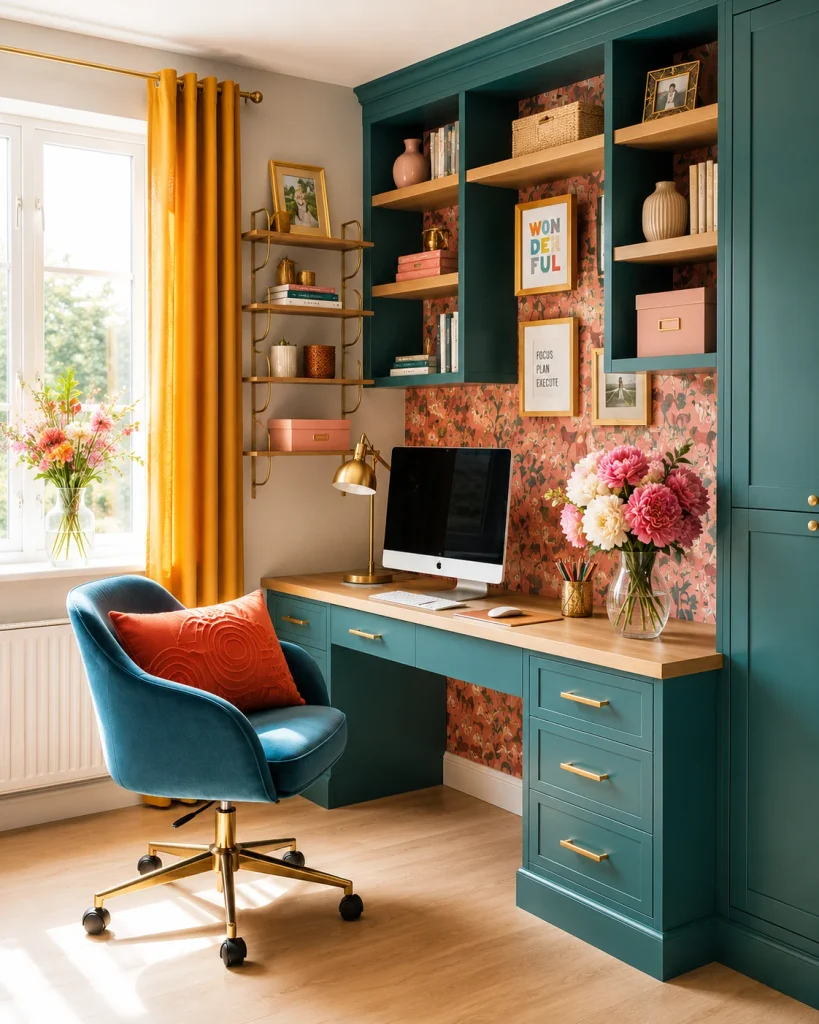
Closed cabinets are useful for things you need but do not want to look at. Open shelves work better for books, attractive storage boxes, and objects you use regularly.
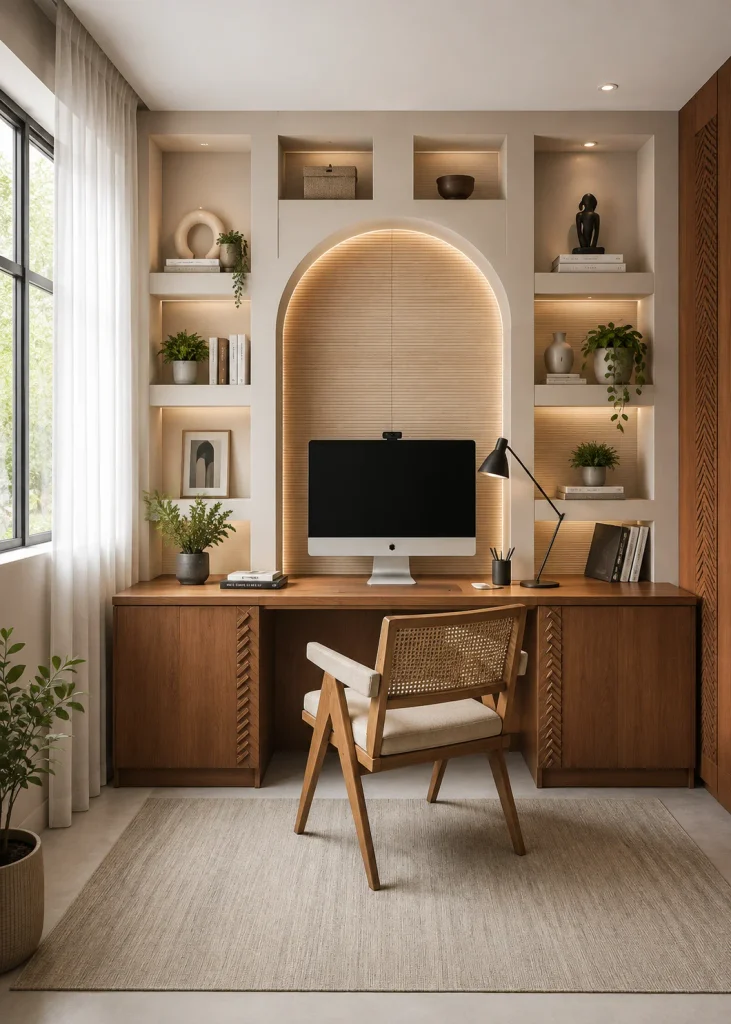
Built-ins can be especially effective because they use vertical space while keeping the floor open. Current built-in home office designs commonly combine tall cabinets, lower drawers, open shelving, and an integrated work surface so different kinds of storage can live together.
If a full built in is outside your budget, the same idea works with floating shelves and a small cabinet beside the desk. The home office idea is simple. Frequently used items should be easy to reach. Everything else should have a place where it can disappear.
Cable management is not glamorous, but it can improve a modern home office surprisingly quickly and is one of those practical home office ideas that makes a noticeable difference.
A beautiful desk loses much of its impact when six cords hang down behind it. Keeping cables hidden is an important part of creating a clean and organized workspace that feels calm and functional.
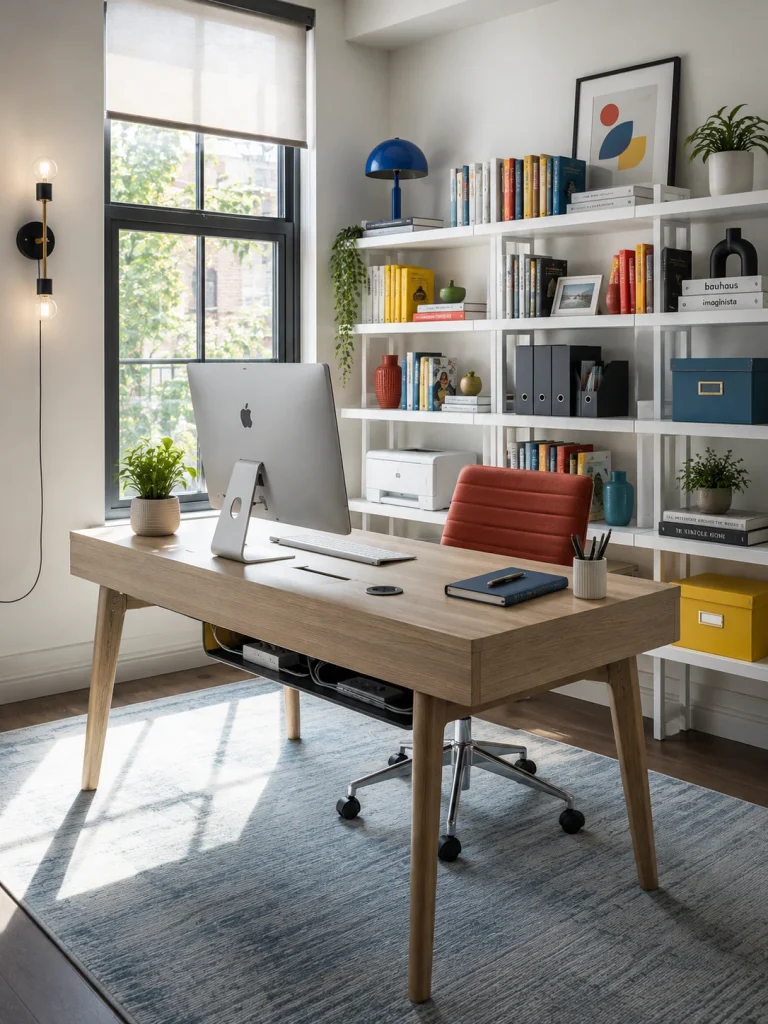
Look for desks with cable channels, openings for wires, or built-in charging points. A cable tray fitted under the desk can also keep power strips and adapters off the floor.
Wireless printers and Bluetooth devices can reduce visible cables further. ELLE Decor notes that current office furniture is increasingly being designed with wire routes and charging stations hidden inside desks and drawers.
If you are planning a home office makeover, deal with technology early. It is much easier to plan storage around the router, printer, monitors, and charging cables before you start styling shelves. Small details like this can improve your overall home decor while helping maintain a clean and organized workspace.
Video meetings have made one wall of the home office much more important than it used to be. Your home office background does not need to look like a television studio. It just needs to look calm and intentional.
A simple piece of artwork, a few books, closed storage, or one well styled shelf is usually enough. Avoid filling every inch of shelving. Empty space helps the background look cleaner and keeps the focus on you.
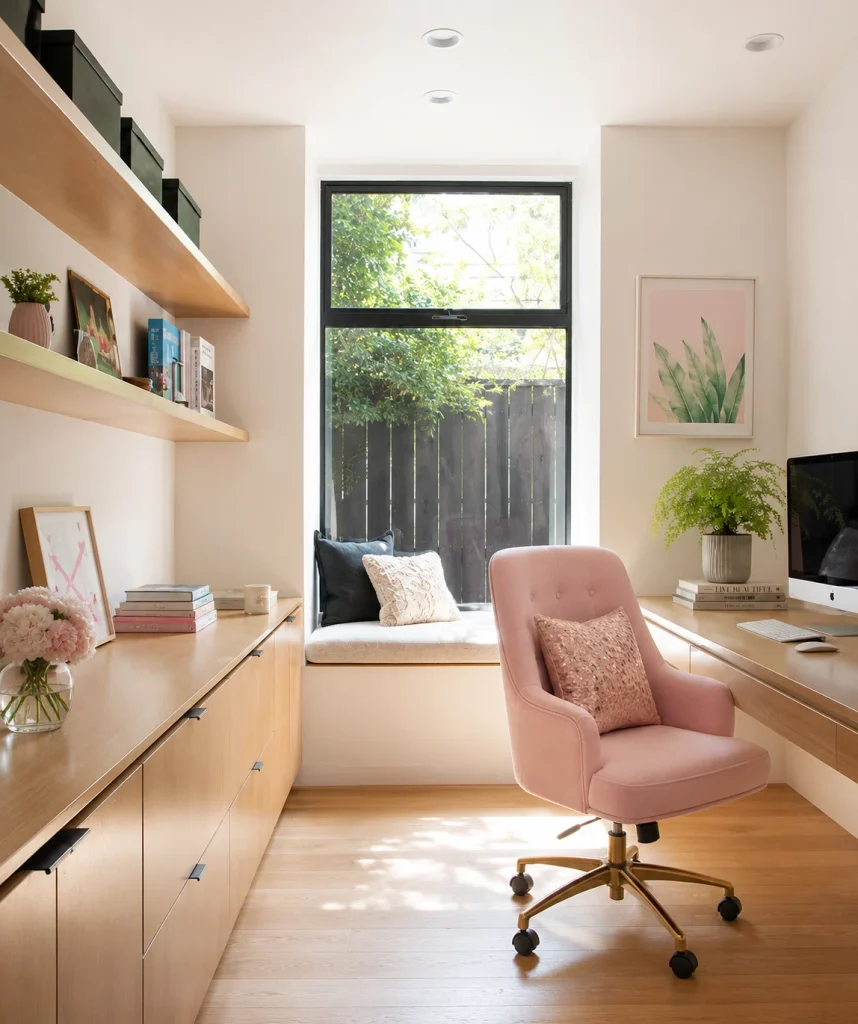
The interior designers suggest using the backdrop to show a little personality or even something connected to your profession, while making sure it does not become distracting.
This is particularly useful for small business owners. Your video call background can quietly communicate what you do without placing logos everywhere. Lighting matters here too. A bright window behind your chair is one of the easiest ways to ruin an otherwise good camera setup.
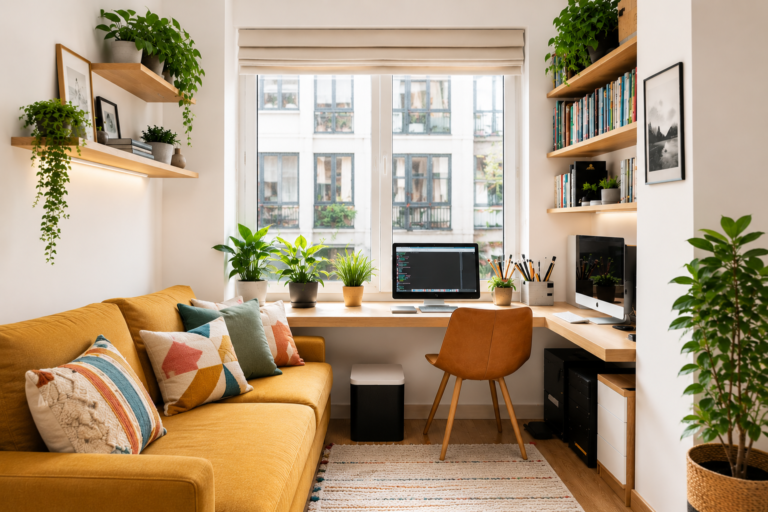
A proper office does not always need its own room. Some of the most useful small home office ideas are built around claiming one defined area inside another space. A bedroom corner can work. So can an alcove, unused closet, hallway niche, or part of a living room.
The important difference is between a permanent work zone and a temporary place where you happen to open your laptop. Current small space design guidance makes this point clearly. A functional office can be part of another room as long as it has a usable desk, a comfortable chair path, power access, lighting, storage, and enough separation to feel like a work area.
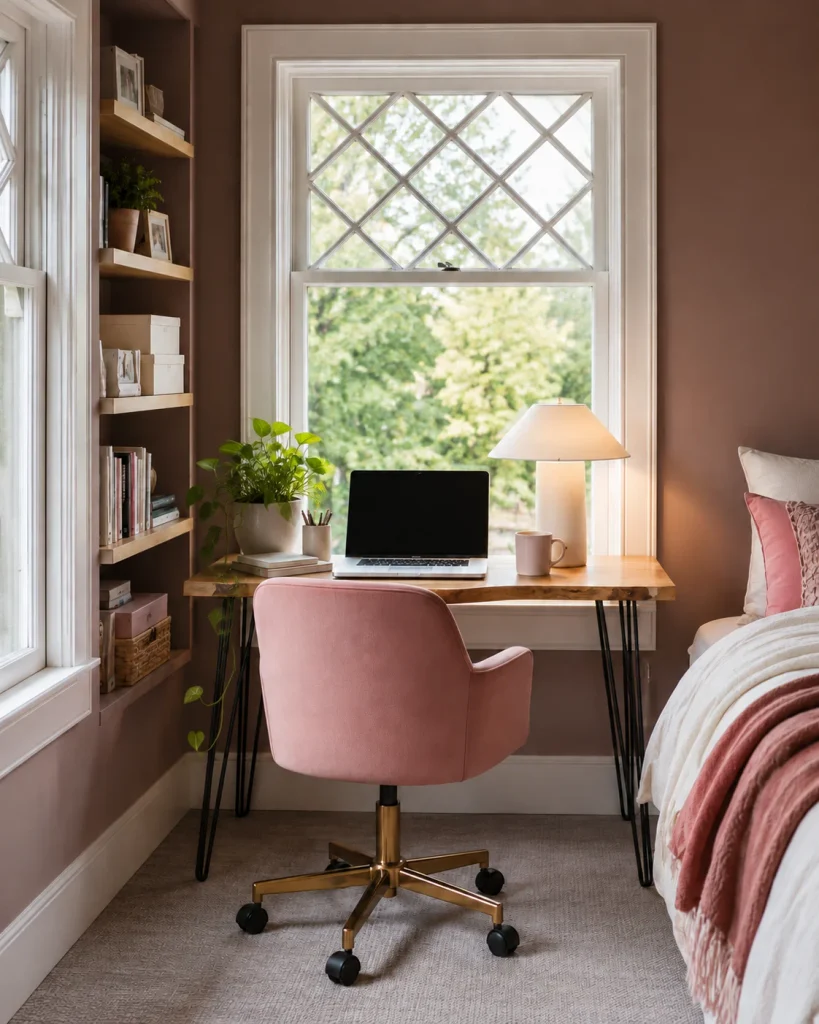
Closet offices are particularly clever when space is tight. Remove the hanging rail, fit a desktop inside, add shelving above, and install proper task lighting. At the end of the day, close the doors and the office disappears.
Foldaway and hideaway desks are also becoming more useful for small homes. Recent 2026 designs include desks that fold away completely or transform from another piece of furniture once work is finished.
When an office is small, floor space disappears quickly. Instead of adding another cabinet beside your desk, look upward. Floating shelves, tall bookcases, wall cabinets, pegboards, and full height storage can all provide more room without making the office harder to move through.
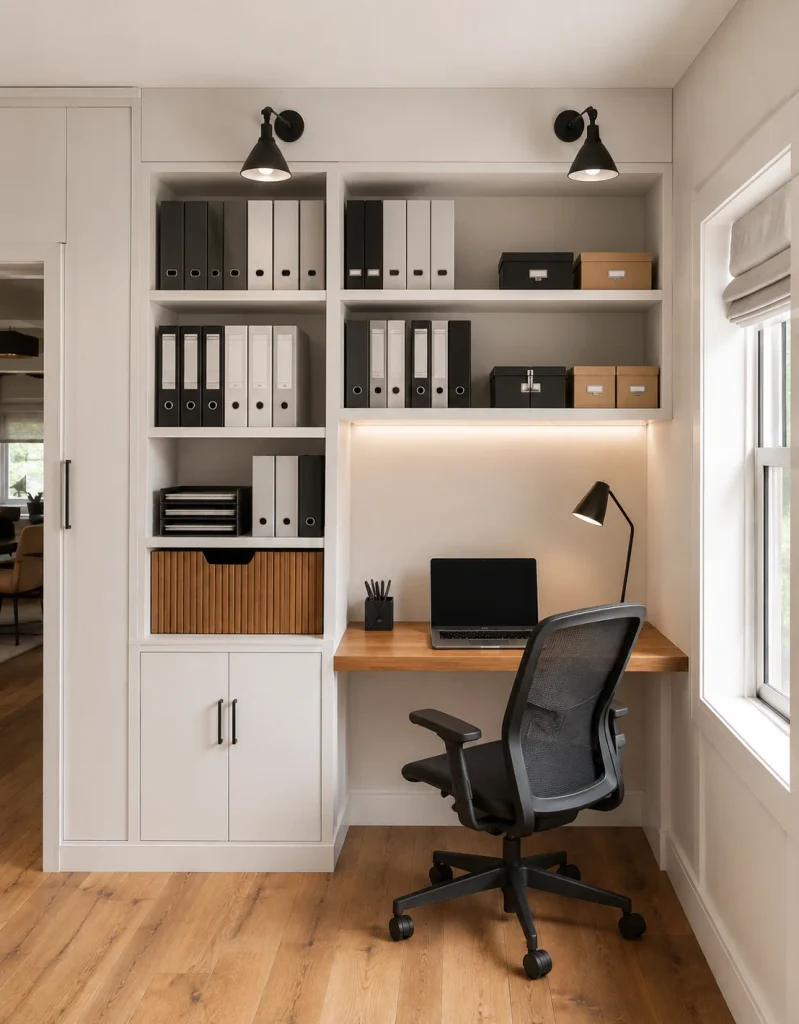
Keep visually heavy storage lower down and use shallower shelving above. This helps the room feel less crowded. In very compact spaces, closed storage is often worth prioritizing because exposed office supplies create visual noise quickly. Current small office planning advice recommends using vertical storage while keeping cables, printers, and everyday clutter hidden wherever possible.
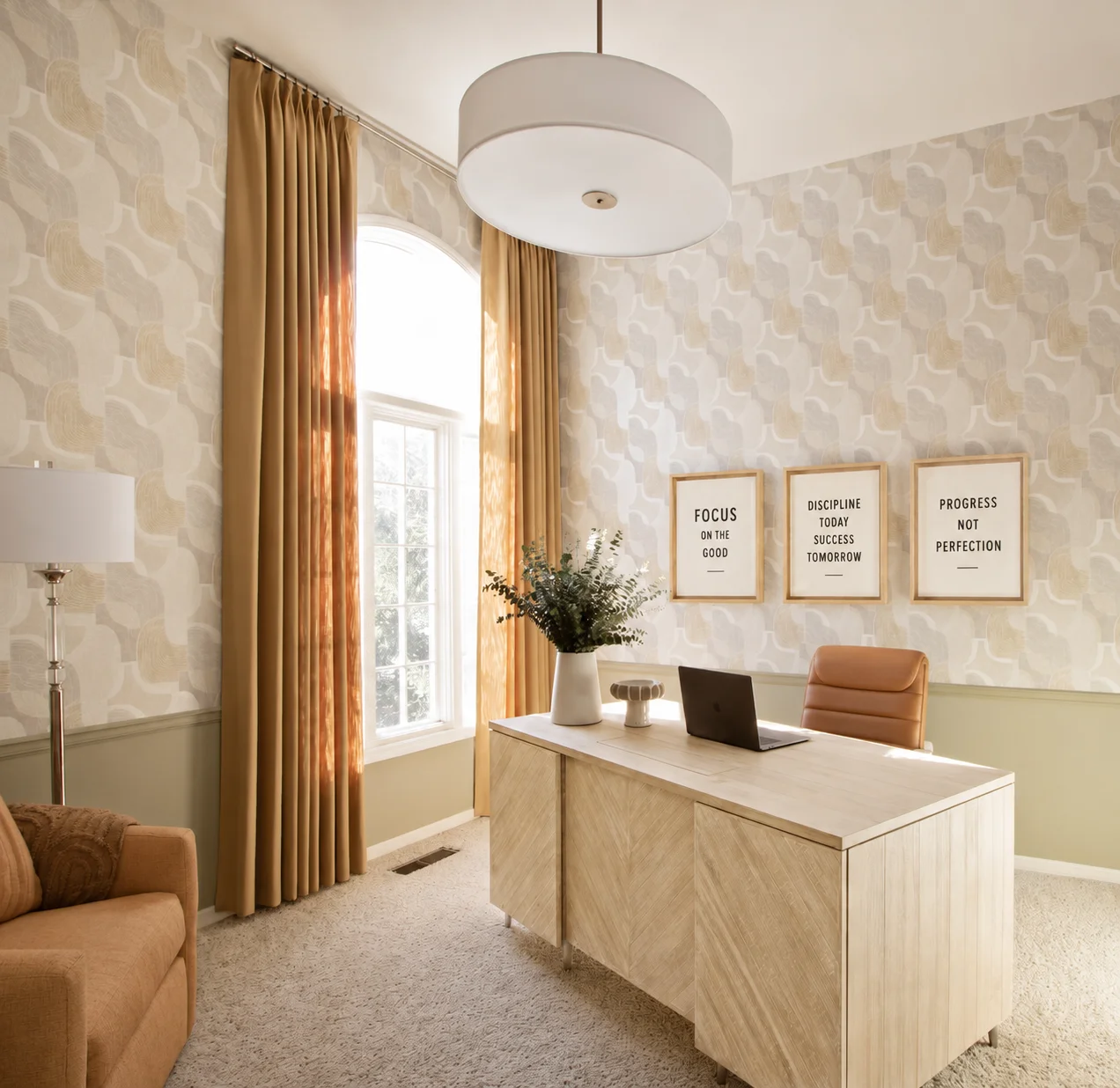
There is no reason a productive home office has to look corporate. The room should still belong with the rest of your home. Bring in a color you already use elsewhere, choose a desk that feels like real furniture, or add artwork you would happily hang in another room.
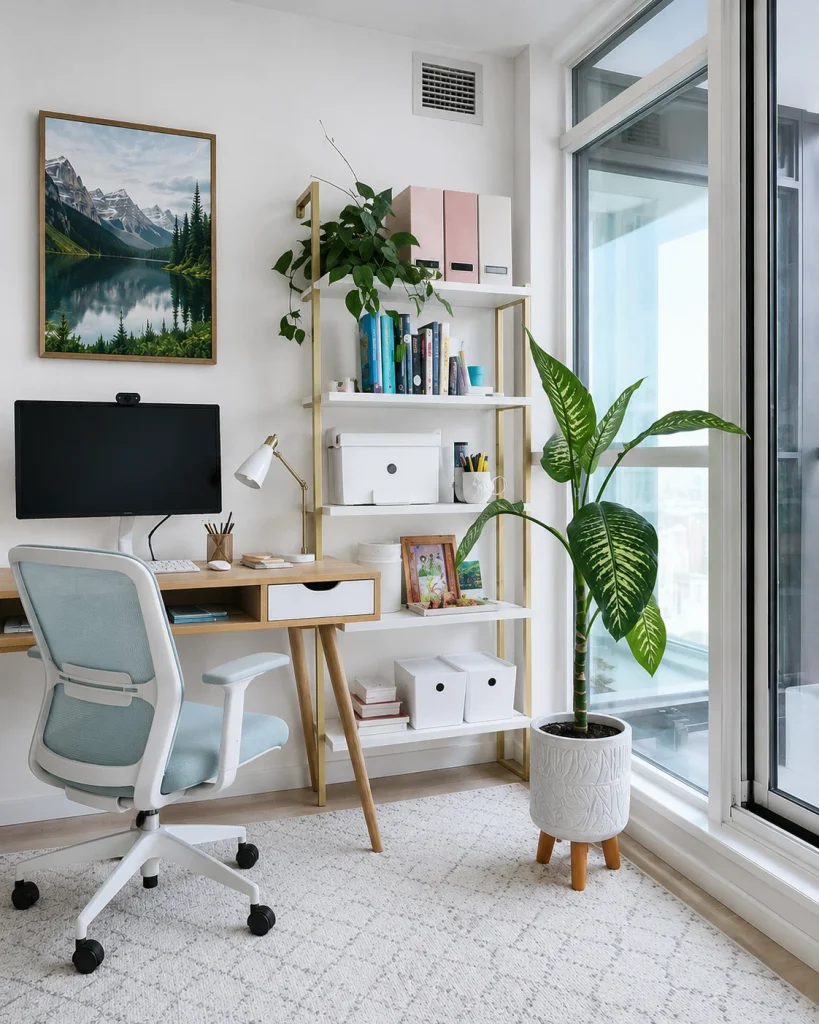
Wallpaper can work especially well behind a desk or on the camera facing wall. A stronger color can also make a small office feel intentional rather than forgotten. The trick is balancing personality with visual calm.
A home office aesthetic should support focus rather than constantly asking for attention. Natural wood, soft upholstery, a comfortable rug, simple artwork, and controlled color can make the room feel warmer without filling it with unnecessary decor. Your office should also change when your work changes. A setup created for occasional laptop use may no longer work if you now spend eight hours there or regularly meet clients online.
A shared home office needs a little more planning because two people rarely work in exactly the same way. One person may need two screens and almost no paper. The other may need notebooks, storage, and room to spread out.
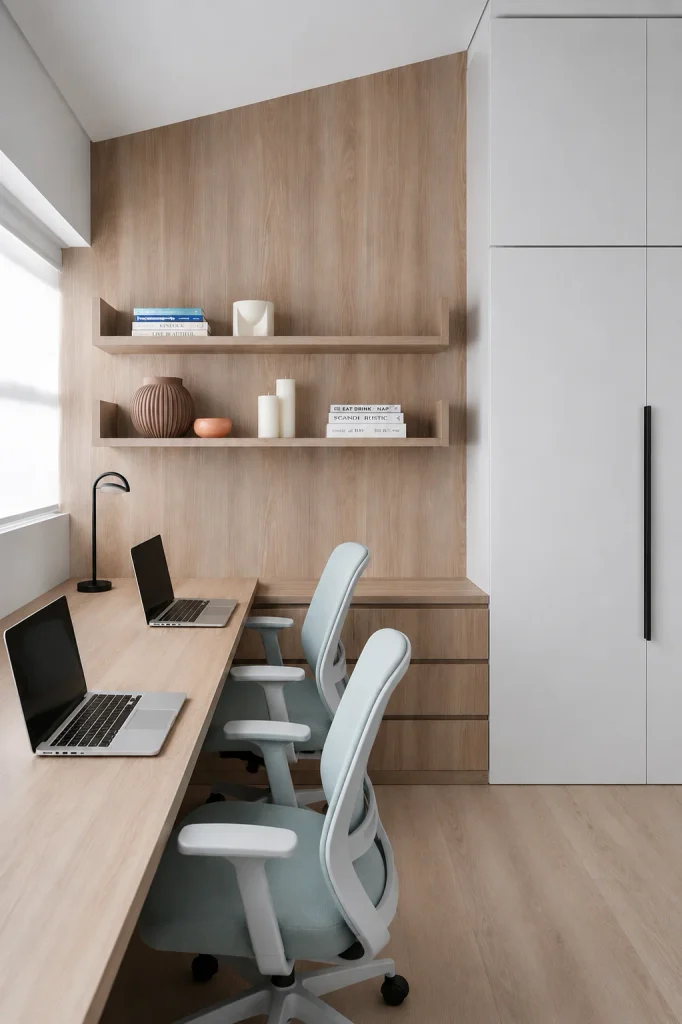
A long shared worktop can work well if both users have enough chair space. A partner desk that lets two people sit opposite one another is another option. The interior designer highlights shared offices where they combine different personal styles within one room instead of forcing both users into matching furniture.
Think about storage separately too. Giving each person their own drawers, shelves, or cabinet prevents the shared office from becoming one large pile of mixed supplies.
The best home office ideas are rarely the most complicated ones. A desk positioned around the way you work, comfortable seating, layered lighting, useful storage, hidden technology, and a calm video call background will usually make a bigger difference than filling the room with decorative accessories.
Start with the parts of your current workspace that annoy you. If papers keep piling up, solve storage first. If your face is dark during video calls, fix the lighting and desk position. If your laptop takes over the dining table every day, find a small permanent work zone.
A good home office design should remove small frustrations from the workday. Once that part is right, making it beautiful becomes much easier.
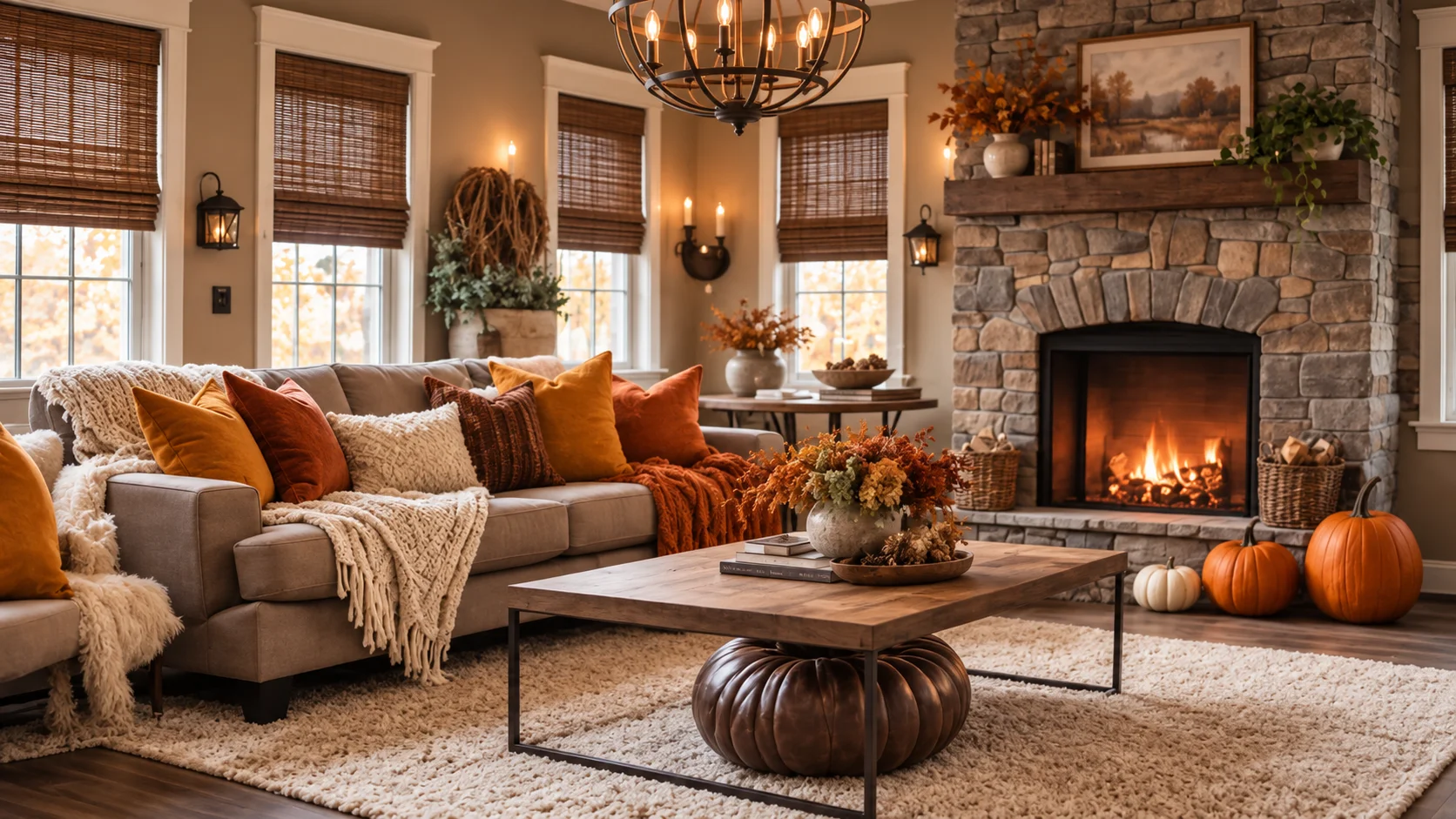
These are the fall home design trends worth knowing this year, from warm colours and layered interior design to natural…

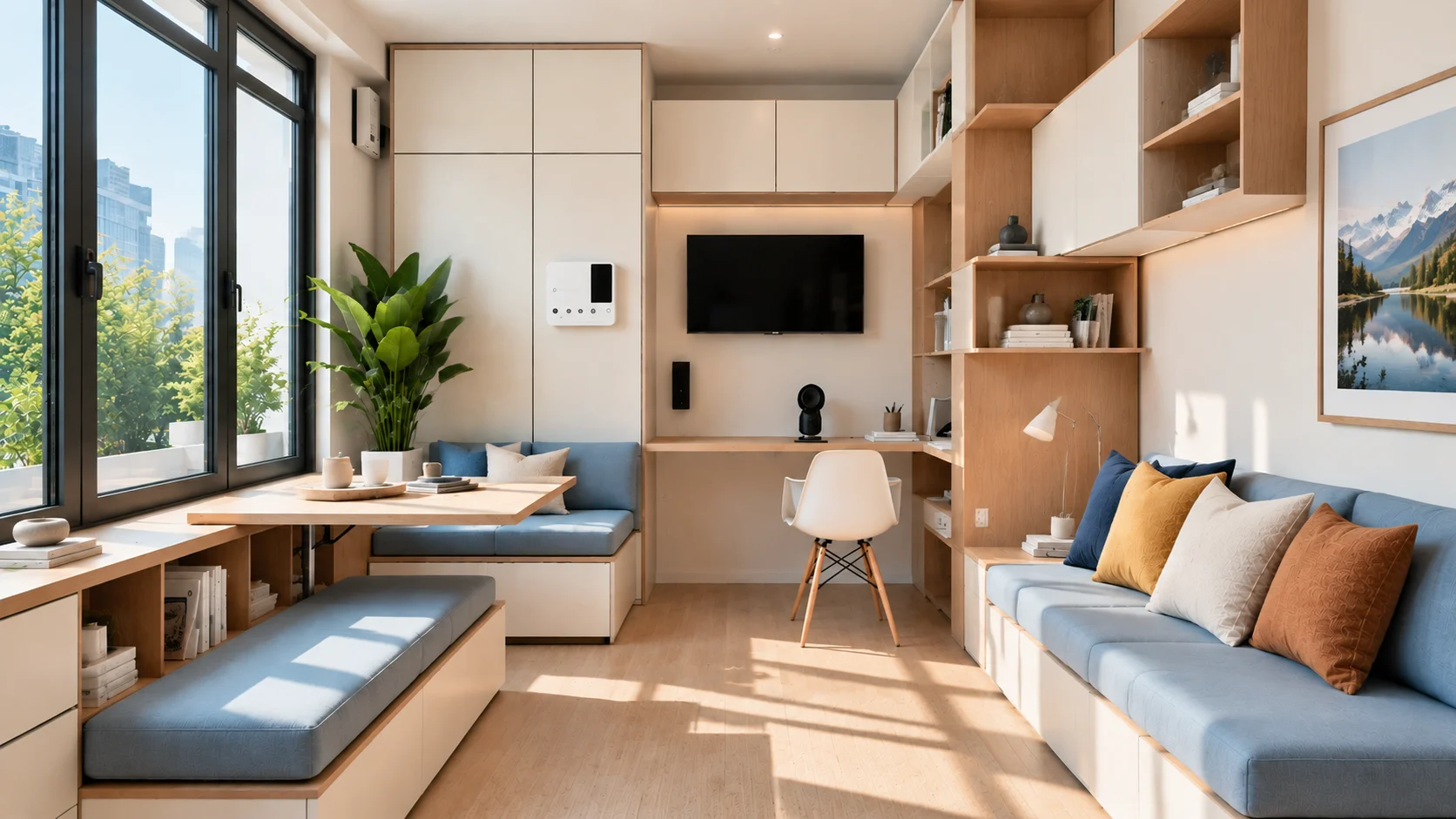
If your small apartment feels cramped, these studio apartment furniture ideas show you how to save space, hide clutter, and…
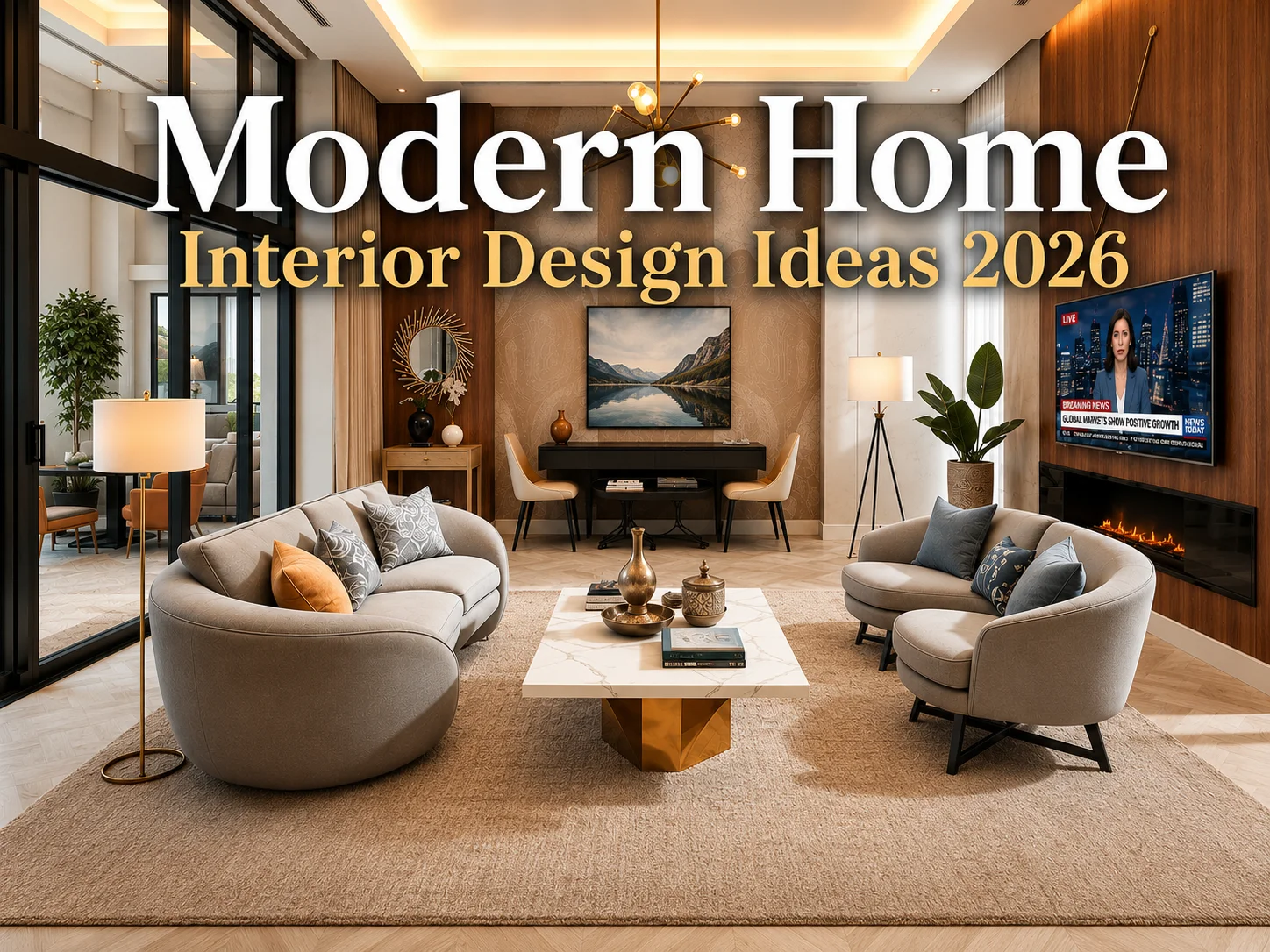
Looking for fresh modern home interior design ideas? Here are simple, real trends shaping homes in 2026, from warm neutral…
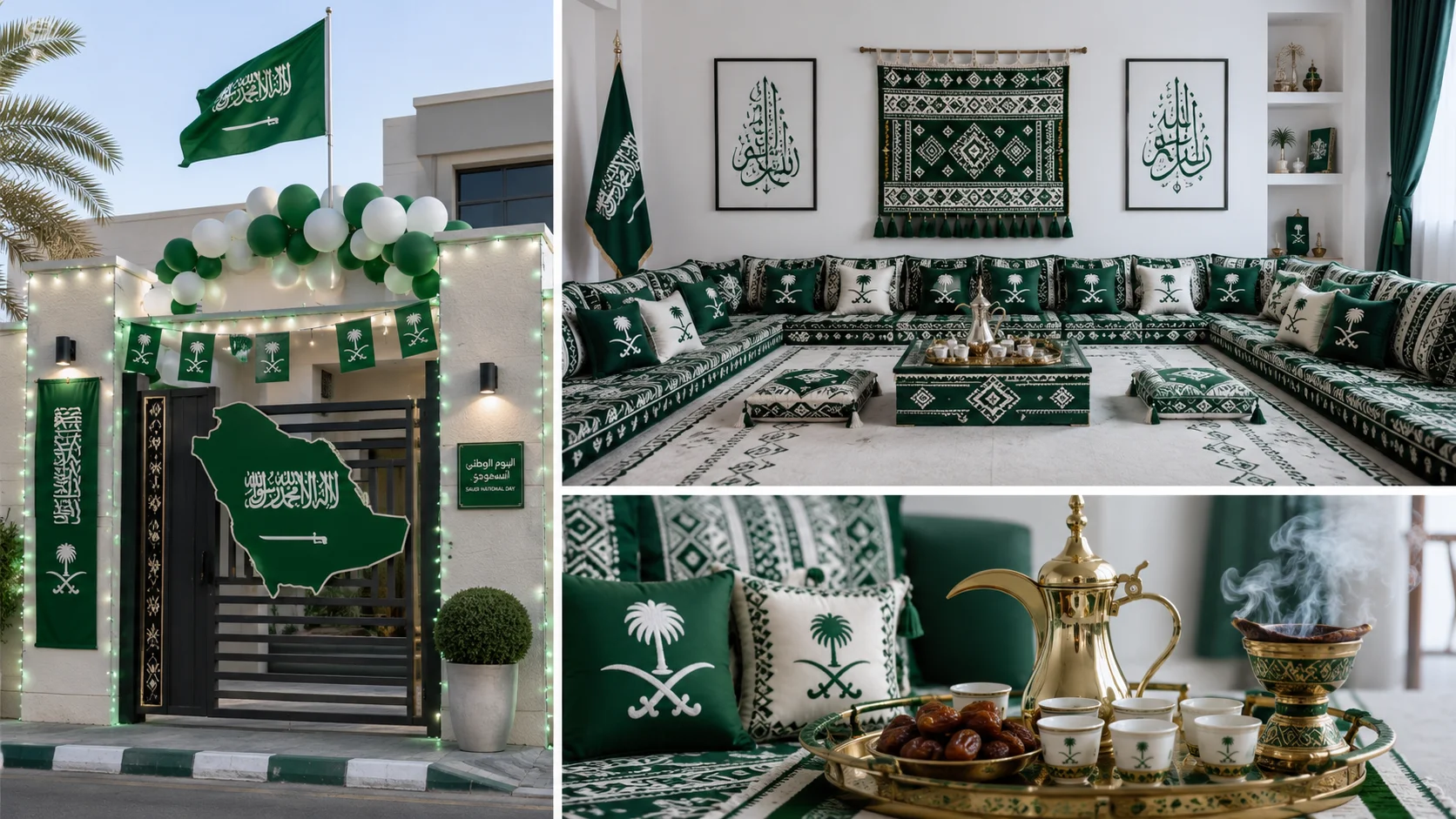
Saudi National Day home decor ideas are hard to find, so here is a proper guide, from decorating the gate…
These home office ideas focus on what actually matters when you work from home: a comfortable desk setup, good lighting,…
The best kids bedroom decor ideas right now go past matching bedding and a themed wall. Here’s how to build…
The best home office ideas for 2026 focus on flexible layouts, comfortable desk setups, layered lighting, hidden cables, built in or vertical storage, and camera friendly backgrounds. Small space solutions such as foldaway desks and multifunctional rooms are also becoming more important as people create workspaces without dedicated office rooms.
Start with good desk placement, a comfortable chair, natural light, task lighting, and easy access to the tools you use every day. Keep your desk clear by adding closed storage for paperwork, chargers, and supplies. A defined work zone can also make it easier to separate work from the rest of your home.
Good home office ideas for small spaces include wall mounted desks, shallow desks, closet offices, floating shelves, vertical storage, foldaway furniture, and bedroom or living room work zones. Keep enough space behind the chair to move comfortably and avoid blocking doors, closets, or walking paths.
Position yourself so a bright window is not directly behind you. Use soft front or side lighting and keep the background simple. Artwork, books, closed storage, or a few personal items can make a home office background look professional without feeling staged.
Good home office ideas reduce distractions and make everyday tasks easier. Clear work zones, comfortable seating, proper lighting, organized storage, and easy access to technology can reduce clutter and interruptions. The goal is not simply to make the office look better, but to create an environment that supports the kind of work you actually do